

Outrage After Minneapolis Shooting of Alex Pretti: Family Rejects Official Narrative
The fatal shooting of Alex Pretti, a 37-year-old intensive care nurse from Minneapolis, has sparked widespread outrage and national debate. Pretti was killed during a federal immigration enforcement operation in the city, an incident that has drawn attention to law enforcement practices, federal authority, and the safety of civilians caught in enforcement actions. What was intended to be a targeted operation has instead ignited protests, political arguments, and a growing public demand for accountability.
Pretti’s family has strongly rejected official accounts of the event. Federal authorities claimed he posed a deadly threat, alleging he brandished a firearm during the confrontation. In response, his parents insisted that these assertions were false, describing their son as unarmed and acting to help others at the scene. Their statements have intensified scrutiny over the actions of federal agents and the narratives presented by government officials.
Conflicting Accounts of the Shooting
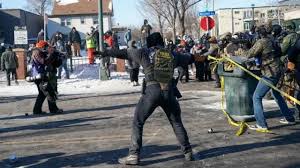
Eyewitness reports and video footage from the scene depict a scenario that contrasts sharply with official claims. Pretti is seen holding what appears to be a cellphone rather than a firearm while approaching federal agents. During the interaction, a woman nearby is pushed to the ground, and Pretti moves toward her, seemingly to offer assistance. This moment escalated quickly, resulting in Pretti being pepper-sprayed and ultimately shot.
Federal authorities maintain that Pretti was armed with a semiautomatic handgun and presented a threat to officers. However, the absence of clear video evidence showing a weapon prior to the shooting has fueled widespread criticism. Many observers question whether the narrative presented by federal officials accurately reflects what happened in the chaotic moments on the street.
The family’s response has been deeply emotional and highly public. Michael and Susan Pretti described their son as a compassionate nurse who dedicated his life to caring for others. They emphasized that his last actions were meant to help a woman in distress rather than threaten law enforcement officers. Their statements have resonated with the public, prompting a wave of sympathy and support for the family.
Community Reaction and Public Outcry
Public reaction has been swift and vocal. Protests have taken place not only in Minneapolis but also in other cities across the country. Demonstrators have called for accountability, transparency, and an end to what they perceive as aggressive and militarized federal immigration enforcement tactics. Many held signs demanding justice for Alex Pretti and criticizing federal authorities for spreading misinformation about the incident.
Colleagues and friends remembered Pretti as a dedicated nurse who devoted his life to helping veterans and those in need. His loss has deeply impacted the medical community and the wider public, underscoring the tragic consequences when civilians are caught in confrontational enforcement operations. The contrast between Pretti’s character and the government’s portrayal of him has fueled anger and calls for independent investigation.
Political and Legal Implications
The shooting has also drawn political attention, with lawmakers and officials weighing in on the incident. Some politicians condemned the killing and demanded full accountability, while others supported federal agents’ actions. The event has reignited debates over federal authority, oversight of immigration enforcement agencies, and the balance between public safety and civil liberties.
Minnesota state officials have requested thorough investigations and full cooperation from federal agencies, emphasizing the importance of transparency. The refusal of federal authorities to provide complete access to the scene has added tension to the situation. Congressional leaders have also called for reforms to prevent similar incidents in the future, highlighting concerns about how immigration operations are conducted in urban areas.
The case has become emblematic of broader issues in U.S. law enforcement policy. Questions about how federal agents engage with civilians, the accuracy of official reporting, and the protections afforded to residents in enforcement actions remain at the forefront. Public trust in federal law enforcement is being challenged, with many demanding clearer rules and accountability mechanisms.
Ongoing Investigation and Calls for Truth
Independent investigators have yet to release conclusive findings regarding the circumstances of the shooting. Key questions remain unanswered, including whether Pretti was armed, the precise sequence of events, and whether officers followed proper protocols. These uncertainties have led to frustration and speculation, with both supporters and critics of the federal government demanding clarity.
Legal experts note that the case may have far-reaching implications for civil rights and federal oversight. Families of victims, advocacy groups, and community leaders have emphasized the importance of transparent investigations to ensure justice. The incident has also highlighted potential gaps in communication between federal and local authorities during high-stakes enforcement operations.
The tragedy has prompted broader discussions about law enforcement culture and the use of lethal force. Critics argue that aggressive tactics in civilian areas increase the risk of unnecessary deaths, while supporters contend that agents must be able to protect themselves and enforce the law effectively. These contrasting perspectives underscore the complexity of the situation and the need for careful review.
Community organizations have mobilized to provide support to Pretti’s family, organizing vigils, fundraising, and advocacy campaigns. These efforts emphasize solidarity, remembrance, and calls for reform. Public demonstrations and online campaigns continue to pressure authorities to provide answers and implement measures that prevent similar incidents in the future.
Experts in policing and public policy stress the need for improved training and oversight. Scenarios such as the one in Minneapolis, where civilians are caught in federal operations, highlight the importance of de-escalation techniques, clear communication, and accountability mechanisms. Lessons learned from the Pretti case may influence policies nationwide.
Legacy and Continuing Debate
The shooting of Alex Pretti has left a lasting impact on his community, the medical profession, and the national conversation around law enforcement practices. While his family seeks truth and justice, the incident has sparked broader dialogue about civil rights, public safety, and the role of federal agencies in local communities.
In the coming months, investigations and public scrutiny are expected to continue. Pretti’s death serves as a powerful reminder of the human cost of enforcement operations and the importance of transparency, accountability, and protection of civilian life. For many, the story is not only about one tragic loss but also about ensuring that federal agencies are held to standards that prioritize safety, integrity, and justice.
The national reaction illustrates the deep emotions and divisions surrounding law enforcement policy, immigration enforcement, and civil liberties. As new evidence emerges and investigations proceed, the hope for justice and reform remains a central concern for Pretti’s family and a growing number of advocates.
