

Federal Reserve Holds Interest Rates Steady Amid Economic Uncertainty
The Federal Reserve announced on Wednesday that it would keep its benchmark interest rate unchanged, opting for a cautious pause rather than additional cuts. This decision comes after several reductions over the past year and reflects a careful balancing act between supporting economic growth and controlling inflation. Central bank officials emphasized that current conditions do not warrant further adjustments at this time, signaling a period of policy stability.
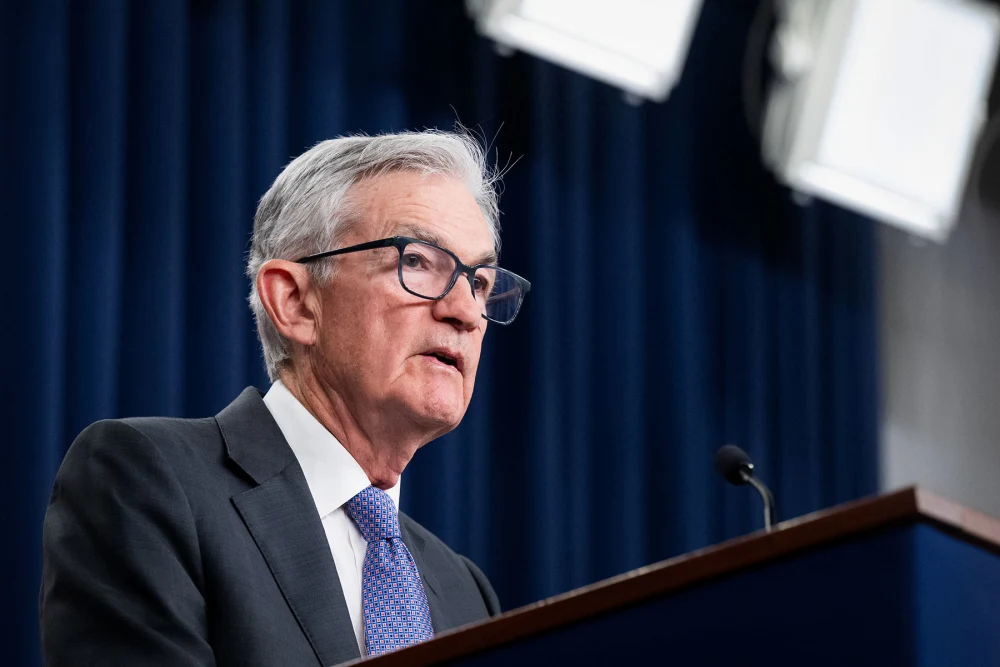
Federal Reserve Chair Jerome Powell stressed that the decision was grounded purely in economic data, rather than political pressures. Despite calls from the White House to lower rates more aggressively, Powell reaffirmed the Fed’s independence and highlighted its responsibility to maintain long-term economic stability. Policymakers emphasized that acting too quickly on rate changes could jeopardize progress in controlling inflation, which remains above the central bank’s 2% target.
The labor market continues to show resilience, with steady employment figures and moderate wage growth. Job creation, though slightly slower than in previous years, remains consistent, indicating that the economy is not in immediate danger of a downturn. Consumer spending has also held up well, bolstering overall economic activity and reducing the urgency for rate cuts. The Fed appears to be taking a “wait and see” approach, carefully monitoring how these indicators evolve before making further moves.
Inflation and Economic Outlook
Inflation remains the Fed’s primary concern, particularly as price pressures persist in key sectors like housing, healthcare, and food. Officials noted that while some inflationary pressures have eased, the overall pace of price increases is still higher than desirable. Maintaining the current rate allows the central bank to continue evaluating how inflationary trends respond to prior policy changes. Analysts have noted that this approach helps prevent overcorrection, which could destabilize markets or encourage excessive borrowing.
Looking ahead, the Fed signaled that future rate adjustments would depend heavily on incoming economic data. Policymakers are especially focused on employment figures, consumer spending, and global trade developments. While some officials expressed openness to eventual cuts if conditions worsen, the consensus favors patience and observation over hasty action. This measured approach reinforces the Fed’s commitment to data-driven decision-making rather than reactionary policy shifts.
Political Pressure and Fed Independence
The Fed’s decision comes amid heightened political scrutiny. The White House has publicly urged the central bank to reduce rates more aggressively, framing lower interest rates as a way to stimulate economic growth. Powell and other Fed officials have repeatedly defended their independence, emphasizing that monetary policy decisions must be made based on economic realities rather than political influence. Maintaining credibility is seen as essential to sustaining market confidence and long-term financial stability.
Tensions between the Fed and political leaders highlight the challenges central banks face when balancing independent policy-making with external pressures. Powell has stressed that short-term political considerations should not dictate monetary policy. By maintaining a steady course, the Fed signals that it prioritizes sustainable economic health over immediate political convenience. This approach also reassures investors that the central bank will act with long-term stability in mind.
Market Reactions and Future Prospects
Financial markets largely anticipated the Fed’s move, with traders pricing in the likelihood of a steady-rate outcome. Stock and bond markets responded with minor fluctuations, reflecting confidence in the Fed’s commitment to stability. Analysts note that this calm reaction suggests markets trust the Fed’s guidance and view the central bank as capable of managing inflation without destabilizing the economy.
Looking forward, experts expect the Fed to maintain a cautious approach in upcoming meetings. Any future rate changes will be highly dependent on how inflation, employment, and consumer activity evolve. The central bank may also consider external factors such as international trade, geopolitical tensions, and global economic trends before making adjustments. This cautious posture underscores the Fed’s focus on balancing growth and inflation in a complex economic environment.
Consumer and business confidence will likely be influenced by the Fed’s actions in the coming months. Stable interest rates help borrowers plan for mortgages, loans, and business investments, while also giving households a clearer sense of future borrowing costs. At the same time, companies may adjust hiring and capital expenditures based on the Fed’s guidance, reinforcing the broader economic impact of the central bank’s decisions.
The Fed’s decision also sends a signal to global markets. U.S. monetary policy often influences international interest rates, capital flows, and currency valuations. By keeping rates steady, the Fed provides predictability that can help stabilize international markets, while allowing policymakers to evaluate global economic trends before making any major adjustments.
In sum, the Federal Reserve’s choice to hold interest rates steady reflects a careful balance between supporting economic growth and controlling inflation. By prioritizing data-driven decisions over political pressure, the Fed signals its commitment to long-term stability. While future rate cuts remain a possibility, they will depend on evolving economic conditions rather than external influence.
For consumers, businesses, and investors, the Fed’s steady approach offers a period of predictability and cautious optimism. Economic indicators will continue to guide policy decisions, with the central bank emphasizing employment, price stability, and sustainable growth. In an era of political and economic uncertainty, the Fed’s measured stance serves as a stabilizing force in both domestic and global markets.
