
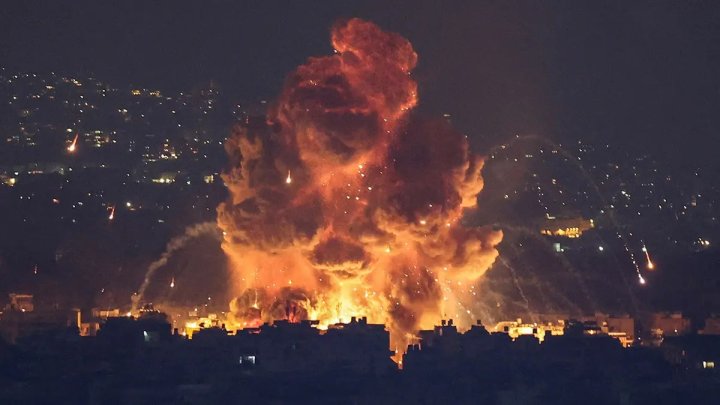

The escalating war involving the United States, Israel and Iran has triggered widespread condemnation across the Global South, with leaders warning that the conflict risks plunging the Middle East into prolonged instability. Governments from Asia, Africa and Latin America have criticized the military campaign as unlawful and dangerously provocative. Many argue that the operation undermines diplomatic norms and weakens the global framework designed to prevent war.
Diplomatic statements issued by numerous countries emphasize that the use of force without broad multilateral approval sets a troubling precedent. Officials have warned that bypassing international institutions erodes trust in the rules-based order. As airstrikes and retaliatory attacks continue, fears are growing that the crisis could spiral beyond regional boundaries. Calls for restraint have intensified amid rising civilian casualties and infrastructure damage.
Several governments have framed the war as symptomatic of deeper inequalities in global governance. Leaders from developing nations have pointed to what they view as selective enforcement of international law. They argue that powerful states often act unilaterally while weaker nations are expected to comply strictly with global norms. This perceived imbalance has fueled resentment and sharpened criticism of the US-Israeli actions.
Countries such as China, South Africa, Brazil, Turkey, Malaysia, Indonesia and Pakistan have publicly denounced the offensive. Their statements have consistently stressed the importance of respecting sovereignty and territorial integrity. Many of these nations have urged an immediate ceasefire and a return to diplomatic engagement. The consensus among them is that dialogue, not bombs, must shape the future of the region.
Growing Diplomatic Backlash at the United Nations
At the United Nations, emergency meetings have been marked by intense debate and strong rhetoric. Representatives from multiple member states warned that continued hostilities could destabilize neighboring countries and global markets. Diplomatic envoys have emphasized that military escalation risks igniting a broader regional confrontation. The absence of Security Council authorization for the strikes has become a focal point of criticism.
Pakistan, speaking during emergency discussions, cautioned that the attacks on Iran could trigger a dangerous chain reaction across the Middle East. Its officials stressed the need for all sides to respect international humanitarian law and protect civilian populations. The delegation underscored that unresolved grievances cannot justify bypassing peaceful conflict resolution mechanisms. It also highlighted the humanitarian consequences already unfolding on the ground.
China and Russia have also voiced strong objections, calling for an immediate halt to hostilities. Beijing reiterated the importance of sovereignty and non-interference in domestic affairs. Moscow described the strikes as destabilizing and warned of long-term geopolitical fallout. Both powers argued that continued escalation could damage global security and economic stability.
The UN Secretary-General expressed deep concern over both the initial strikes and the subsequent retaliation. He called on all parties to adhere to the principles of the UN Charter. According to his statement, expanding military operations could severely undermine regional peace efforts. He urged leaders to prioritize diplomacy before the situation becomes irreversible.
Regional Fallout and Humanitarian Concerns
Iran’s retaliatory missile and drone strikes against US facilities and allied targets in the Gulf have further heightened tensions. Several Gulf states reported disruptions and heightened security alerts following the attacks. While condemning Iran’s retaliation, some regional governments also expressed unease about the initial military escalation. The region now faces the risk of drawn-out confrontation involving multiple actors.
Humanitarian organizations have warned that civilians are bearing the brunt of the conflict. Residential neighborhoods, energy facilities and transportation hubs have reportedly suffered significant damage. Displacement is rising as families flee areas considered potential targets. Aid agencies caution that prolonged fighting could overwhelm already fragile health systems.
Economic repercussions are also looming large. Analysts warn that any threat to key maritime routes could disrupt global oil shipments. Rising energy prices may place additional pressure on developing economies already grappling with inflation. Financial markets have reacted nervously to the possibility of a broader war. Trade flows across Asia, Europe and Africa could face setbacks if instability persists.
Beyond immediate economic impacts, experts fear long-term political consequences. The war may deepen divisions between Western powers and the Global South. Some observers argue that the crisis highlights shifting alliances and the emergence of multipolar geopolitics. Trust between major powers appears increasingly strained as diplomatic channels struggle to keep pace with military developments.
Calls for Ceasefire and a New Diplomatic Path
Despite the intensity of the conflict, several nations are attempting to mediate behind the scenes. Neutral countries have offered to host talks aimed at de-escalation. Regional organizations are exploring frameworks to facilitate dialogue and reduce tensions. Diplomatic backchannels remain active, though progress has been slow and uncertain.
Leaders from the Global South continue to stress that war should remain a last resort. They argue that international disputes must be addressed within legal frameworks recognized by the global community. Many have called for renewed negotiations concerning nuclear oversight and regional security guarantees. Their position underscores a broader demand for fairness and accountability in global governance.
Critics of the US-Israeli campaign contend that unilateral action risks repeating past mistakes seen in other Middle Eastern conflicts. They warn that military interventions often produce unintended consequences, including prolonged instability. The prospect of proxy groups entering the fray adds another layer of complexity. Regional tensions, if left unchecked, could evolve into a multi-front confrontation.
At the same time, Washington and Tel Aviv maintain that their actions are defensive and aimed at curbing perceived security threats. Officials argue that preventing further escalation of nuclear capabilities is central to their strategy. However, this justification has not quelled international criticism. The divide between supporters and opponents of the campaign reflects deeper disagreements about global security policy.
As diplomatic efforts continue, the Global South’s unified voice signals a significant shift in international discourse. Developing nations are increasingly assertive in challenging military interventions they view as unjustified. Their collective stance emphasizes diplomacy, sovereignty and adherence to international law. Whether this pressure can influence the course of the conflict remains uncertain, but it has already reshaped the global conversation.
The unfolding crisis stands as a defining moment for international relations. It tests the credibility of multilateral institutions and the resilience of global diplomacy. With tensions still high, the coming weeks will be critical in determining whether dialogue can prevail over continued warfare. The world watches closely as leaders decide between escalation and compromise.
