

GOP Battle in Texas Senate Race Heads to Runoff
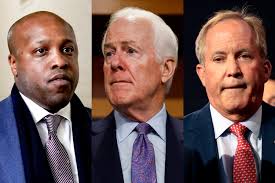
In the March 3 primary for the U.S. Senate seat in Texas, Republican voters failed to deliver a majority victory to any candidate, forcing a runoff on May 26 between the top two finishers, Senator John Cornyn and Texas Attorney General Ken Paxton. Neither man captured the more than 50% of votes required to win outright, setting the stage for an extended contest that has national political implications.
This runoff pits establishment Republican leadership against a powerful conservative insurgent, highlighting divisions within the state GOP that have surfaced in recent election cycles. Cornyn, a four-term senator who has long been a fixture in national politics, has warned that a nomination of Paxton, a figure closely aligned with hard-right voices in the party, could jeopardize the Republican hold on the seat in the general election.
The crowded Republican primary field initially included U.S. Representative Wesley Hunt, a military veteran whose presence siphoned votes from both Cornyn and Paxton, contributing to the absence of a clear majority winner. Hunt ultimately finished in a distant third, clearing the way for the Cornyn-Paxton runoff.
The race has emerged as one of the most expensive Senate primaries in recent memory, with tens of millions of dollars poured into campaign spending by both candidates and supportive political action committees. As the contest moves into the runoff phase, both campaigns are preparing for another wave of advertising and voter outreach efforts across the state.
Cornyn vs. Paxton: A Clash of GOP Visions
Senator John Cornyn, a veteran Republican leader, has leaned on his record of legislative achievements and broad party support as he seeks to secure his party’s nomination for a fifth term. Cornyn’s campaign emphasizes electability and stability, arguing that his experience and moderate reputation within the GOP make him a more reliable candidate in the general election.
Ken Paxton, Texas’s attorney general, has emerged as a formidable challenger with strong appeal among the conservative base. His campaign message has resonated with GOP voters who favor a more assertive ideological stance, despite Paxton’s history of legal and ethical controversies, including impeachment proceedings in the state legislature.
Paxton’s supporters view him as a fighter for conservative values and a challenger to the Republican establishment. They believe his alignment with core conservative priorities will more effectively mobilize the party’s base in the general election. By contrast, Cornyn’s backers argue that Paxton’s controversial history could weaken the party’s chances in November and divert critical resources to defend what has been considered a safe Republican seat.
Political strategists note that the runoff could further expose rifts among Texas Republicans, as grassroots activists and national party leaders attempt to shape the party’s identity ahead of November’s general election. The outcome of the runoff may reveal which faction holds greater sway in the GOP’s future direction.
The campaign is also drawing attention from national leaders and donors, who are closely monitoring how the runoff may influence Senate control dynamics in Congress. A strong performance by either candidate could energize key constituencies and impact broader electoral strategies.
What This Means for the November General Election
Texas has long been a Republican stronghold in federal elections, but demographic shifts and competitive local races have encouraged Democratic optimism in statewide contests. Democrats are conducting their own primary for the Senate nomination, with candidates working to position themselves as viable challengers in November — though no Democrat has won a statewide race in Texas in over three decades.
The Republican runoff outcome will determine who represents the GOP in what could be one of the most closely watched Senate races of the 2026 cycle. Both major party nominees will likely face intense scrutiny, as voter turnout patterns and candidate positioning could determine not just a Senate seat but also broader congressional balance.
Political observers are also keeping an eye on national figures and endorsements, especially given how influential former President Donald Trump remains among Republican voters in Texas. Trump carried the state by a significant margin in the last presidential election, and his stance on the Senate runoff may impact voter enthusiasm or turnout.
As the runoff campaign unfolds, both Cornyn and Paxton will be working to expand their bases beyond traditional Republican primary voters. Their strategies may include outreach to independent voters and efforts to retain key suburban and rural support — factors that could prove decisive in the general election.
Meanwhile, internal party debates over strategy and direction will continue to shape not only the Senate contest but also other competitive races across the state, as Republicans aim to maintain their political dominance while fending off increased Democratic engagement.
