

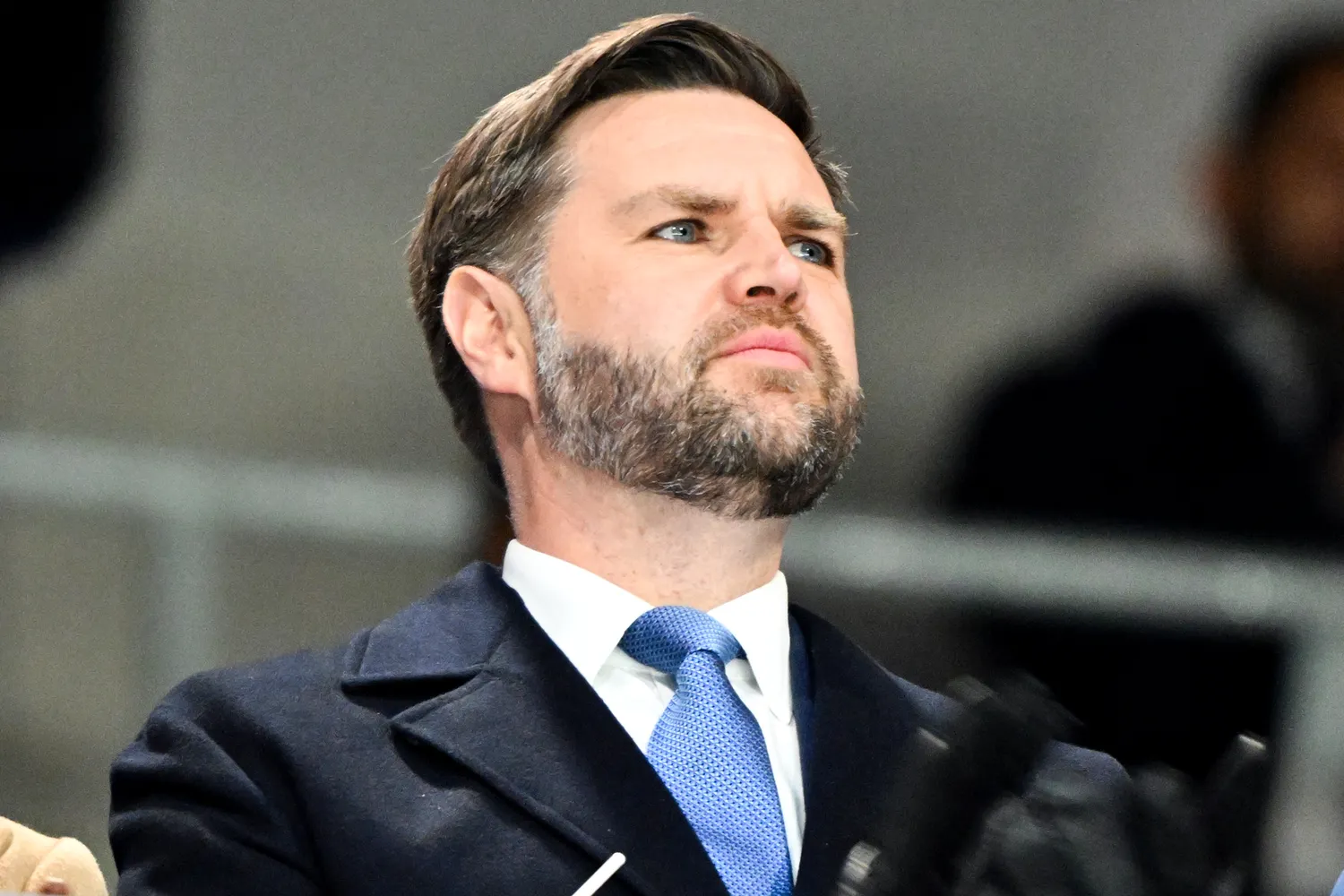
Vice President JD Vance Warns U.S. Olympians Over Politics at 2026 Winter Games
Vice President JD Vance delivered a direct message to American athletes competing at the 2026 Winter Olympics in Milan and Cortina, advising them to avoid political activism while representing the United States on the international stage.
Speaking during media appearances tied to the Games, Vance stressed that the Olympics should remain focused on athletic excellence rather than partisan debate. He said that while athletes are entitled to their personal beliefs, the global sporting event is not the appropriate platform for domestic political disputes.
The vice president’s remarks come as discussions intensify over how much political expression is appropriate during international competitions. Some members of Team USA have previously voiced concerns about national policies, prompting renewed debate about the balance between free expression and national representation.
Vance encouraged competitors to prioritize unity and sportsmanship. According to his comments, athletes who wear the American flag are representing millions of citizens with diverse viewpoints, and the Olympic stage should reflect shared pride rather than political division.
His warning followed visible reactions during the Winter Games opening ceremony in Milan, where segments of the crowd responded loudly to his appearance on stadium screens. Despite that moment, Vance maintained that the broader focus should remain on athletic performance and international goodwill.
The vice president noted that Olympic athletes carry significant influence, especially in the digital age. Social media platforms amplify their voices far beyond the competition venue, making any political statements instantly global. He suggested that this influence should be used carefully and responsibly.
At the same time, Vance acknowledged that many athletes have successfully balanced personal beliefs with professional responsibilities. He praised those who have remained dedicated to their sport while representing the country with dignity.
Debate over political speech at the Olympics is not new. The International Olympic Committee (IOC) has long maintained rules aimed at preserving political neutrality during events, although enforcement and interpretation have evolved over time. Past Games have seen athletes use podium moments and interviews to spotlight social causes, often sparking international conversations.
Supporters of Vance’s position argue that the Olympics are meant to transcend politics, bringing together nations that may otherwise be at odds. They contend that the Games serve as a rare opportunity for unity and should not be overshadowed by policy disagreements.
Critics, however, believe athletes should not be expected to silence deeply held convictions simply because they are competing. They argue that sports figures have historically played a meaningful role in advancing social awareness and that global platforms can amplify important issues.
The conversation has intensified as the 2026 Winter Olympics unfold against a complex political backdrop in the United States. With heightened polarization at home, any public comments from prominent athletes are likely to draw swift reaction from both supporters and detractors.
Team USA officials have not indicated any formal changes to athlete media guidelines but continue to emphasize professionalism and respect during the Games. Many competitors have remained focused on their events, highlighting preparation, teamwork, and national pride in interviews.
Sports analysts note that athletes face increasing pressure to navigate public expectations. In addition to performance demands, they are often asked to comment on current events, placing them at the intersection of sports and public policy.
The broader issue reflects an ongoing cultural shift in how society views athletes. Once seen primarily as competitors, many are now regarded as influential public figures whose words carry weight beyond the playing field.
As the Winter Games continue in Milan and Cortina, attention remains on both medal counts and messaging. Whether political commentary becomes a defining theme of these Olympics or fades into the background may depend on how athletes choose to use their global spotlight.
For now, Vice President Vance’s message is clear: focus on the competition, represent the nation with pride, and avoid turning the Olympic stage into a political battleground.
