

Incident and Immediate Response
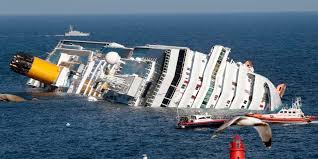
Passengers aboard a luxury cruise ship that ran aground off the coast of Papua New Guinea are set to be flown home after repeated attempts to refloat the vessel proved unsuccessful.
The ship struck a coral reef near the northern coast of Papua New Guinea while on a scheduled expedition cruise. There were more than 120 people on board, including passengers and crew, and no injuries were reported following the incident. The vessel remained stable after the grounding, allowing passengers to stay safely on board while assessments were carried out.
Failed Refloat Efforts and Evacuation Plans
Initial efforts to free the ship involved using its own engines and seeking assistance from nearby maritime resources. Despite these attempts, changing tides and the vessel’s position on the reef prevented it from being refloated. After several days of monitoring and unsuccessful recovery efforts, the cruise operator made the decision to cancel the remainder of the voyage.
The company announced that passengers would be transported off the ship and flown back to Australia, where the cruise had begun. Charter flights were arranged to ensure a smooth and timely return, with priority given to passenger safety and comfort. Crew members remained on board to assist with logistics and maintain the vessel.
Safety, Investigation, and Environmental Concerns
Passengers were informed of the decision following consultations between the cruise operator, maritime authorities, and local officials. While disappointed by the abrupt end to the journey, many expressed relief that alternative travel arrangements were quickly put in place.
Local authorities in Papua New Guinea worked alongside the ship’s crew to manage the situation and ensure that surrounding waters remained safe for other vessels. Restrictions were placed on nearby marine areas as a precaution while assessments of the ship and reef were conducted.
Environmental considerations have also become a focus following the grounding. Coral reefs are fragile ecosystems, and specialists are expected to assess whether the incident caused damage to the reef. Any necessary remediation measures will be determined once conditions allow for a full inspection.
An investigation is expected to examine the circumstances that led to the ship running aground, including navigational decisions and environmental conditions at the time. Findings from the investigation may inform future safety measures and operational guidelines for expedition cruises in the region.
As passengers prepare to return home, attention will shift to determining how and when the ship can be safely refloated or repaired. For now, the focus remains on ensuring that all travellers reach their destinations safely and that the situation is resolved with minimal environmental impact.
