

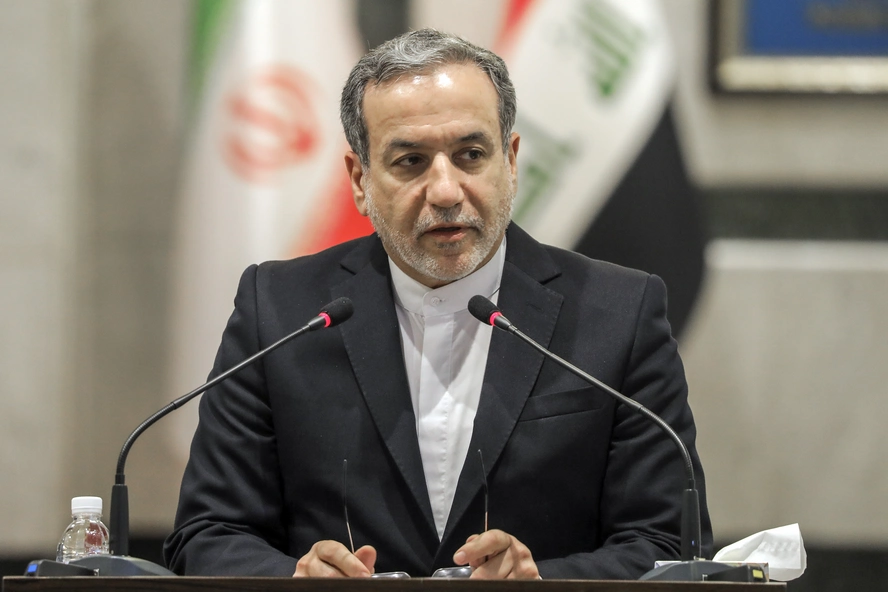
Iran’s Top Diplomat Travels to Geneva for Renewed Indirect Talks With United States
Iran’s top diplomat has arrived in Geneva for a fresh round of indirect negotiations with the United States, marking another significant attempt to ease tensions surrounding Tehran’s nuclear activities. The diplomatic engagement comes amid heightened regional uncertainty and sustained international scrutiny of Iran’s enrichment program. Officials in Tehran confirmed that the visit forms part of a broader strategy to test whether renewed dialogue can yield tangible progress. The talks are expected to draw global attention as both sides navigate a complex web of political and security concerns.
Foreign Minister Abbas Araghchi is leading the Iranian delegation, which includes senior diplomats and technical nuclear experts. The team’s presence underscores the seriousness with which Tehran is approaching the discussions. While direct engagement between Iranian and American officials remains off the table, intermediaries are facilitating structured exchanges between the two sides. Observers note that this indirect format has been used before when political sensitivities prevented face-to-face meetings.
The negotiations are taking place in Geneva, a city long regarded as a neutral venue for high-stakes diplomacy. Switzerland has historically hosted delicate international negotiations due to its policy of neutrality and established diplomatic infrastructure. By choosing Geneva once again, organizers aim to provide an environment conducive to measured and constructive dialogue. The location also allows coordination with international agencies that monitor nuclear compliance and global security matters.
Background of the Nuclear Dispute
The dispute over Iran’s nuclear ambitions has shaped relations between Tehran and Washington for nearly two decades. Western governments, including the United States, have expressed concern that Iran’s uranium enrichment activities could shorten the pathway to developing nuclear weapons capability. Iran, however, consistently maintains that its nuclear program is designed solely for peaceful energy production and scientific research. This divergence of narratives has fueled repeated diplomatic crises and rounds of sanctions.
The 2015 nuclear agreement once provided a framework for limiting Iran’s nuclear activities in exchange for sanctions relief. However, after the United States withdrew from the deal several years later, tensions escalated and compliance gradually eroded. Since then, attempts to revive or renegotiate aspects of the arrangement have encountered political obstacles on both sides. The current indirect talks are viewed as part of a broader effort to prevent further escalation while exploring limited, practical steps forward.
Iranian officials have indicated that sanctions relief remains a central demand in the negotiations. Economic restrictions imposed by Washington have significantly impacted Iran’s financial system, energy exports, and foreign investment prospects. Tehran argues that meaningful progress cannot occur without credible guarantees regarding the lifting or easing of sanctions. American policymakers, meanwhile, emphasize verification measures and long-term commitments tied to nuclear restrictions.
Role of Mediators and International Oversight
Oman has once again stepped into the role of intermediary, relaying messages and proposals between Tehran and Washington. The Gulf nation has earned a reputation for quiet diplomacy and maintaining communication channels during periods of strained relations. By facilitating indirect contact, Omani officials aim to reduce misunderstandings and encourage incremental confidence-building measures. The mediation effort reflects a broader regional interest in de-escalation and stability.
In addition to Omani involvement, the International Atomic Energy Agency remains a crucial stakeholder in the process. The Vienna-based agency is responsible for monitoring Iran’s nuclear facilities and verifying compliance with international safeguards. Meetings in Geneva may include consultations with agency representatives to clarify technical issues and inspection protocols. Such coordination is considered essential for rebuilding trust and ensuring transparency.
European diplomats are also closely observing the discussions, as the outcome could influence security dynamics across the continent and the Middle East. Several European nations were signatories to the earlier nuclear agreement and have consistently advocated for diplomatic solutions. Renewed instability could have ripple effects on energy markets, migration patterns, and regional alliances. As a result, European governments have expressed cautious support for the Geneva dialogue.
Stakes for Washington and Tehran
For Washington, the talks represent a test of whether diplomatic channels can curb Iran’s advancing nuclear capabilities without resorting to further confrontation. U.S. officials have reiterated that preventing nuclear proliferation in the region remains a core national security priority. At the same time, domestic political pressures complicate any decision involving sanctions relief or concessions. The administration must balance diplomatic flexibility with assurances to lawmakers and regional allies.
For Tehran, the negotiations carry both economic and political implications. Iranian leaders face mounting pressure to stabilize the economy and demonstrate that diplomatic outreach can yield tangible benefits. Engaging in talks allows Iran to signal willingness to cooperate, while still maintaining its stated red lines on enrichment. The outcome of these discussions could influence domestic debates over foreign policy direction and engagement with Western powers.
Analysts caution that expectations should remain measured, as indirect negotiations often progress slowly and require multiple rounds to achieve breakthroughs. Even small procedural agreements, however, can lay the groundwork for more substantive arrangements. Confidence-building steps, such as temporary caps on enrichment levels or limited sanctions waivers, are often viewed as potential starting points. Whether such compromises emerge from the Geneva meetings remains uncertain.
Despite the challenges, the resumption of dialogue itself is seen as a positive sign by many international observers. After months of heightened rhetoric and regional friction, structured communication offers a pathway away from escalation. Diplomacy, even when indirect, provides an opportunity to clarify intentions and reduce the risk of miscalculation. The coming days in Geneva may therefore prove pivotal in shaping the next chapter of U.S.-Iran relations.
