

Russia Deploys Hypersonic Missile in Escalating Ukraine Conflict
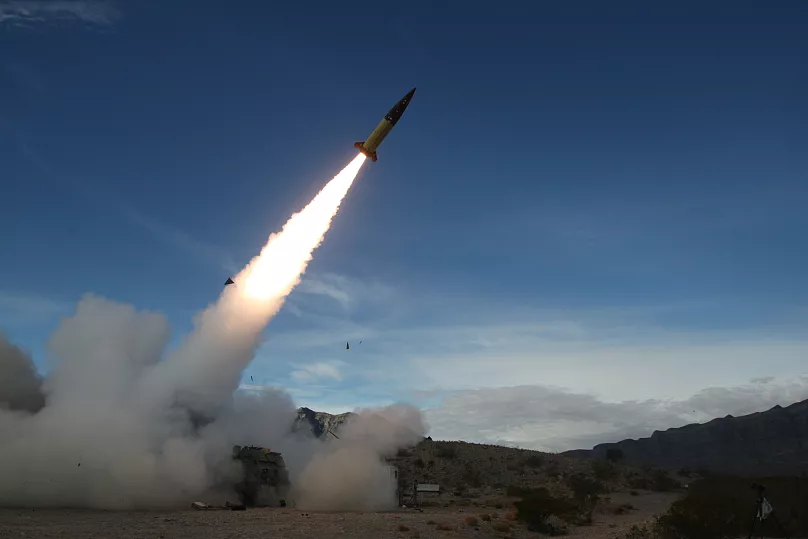
Russia has confirmed the use of a hypersonic Oreshnik missile during a large-scale overnight assault on Ukraine, signaling a new phase in the nearly four-year war and raising alarms across Europe.
The missile was fired toward western Ukraine, a region that has largely avoided the most intense fighting earlier in the conflict. Ukrainian officials reported that the strike occurred close to the country’s border with European Union member states, amplifying concerns about regional security.
Moscow described the launch as a retaliatory action, claiming it was in response to an attempted Ukrainian drone strike targeting a location linked to President Vladimir Putin. Ukrainian authorities and Western officials have rejected this claim, calling it unsubstantiated and misleading.
The missile strike formed part of a broader barrage that included drones and other long-range weapons, underscoring Russia’s continued reliance on aerial assaults to pressure Ukraine’s defenses and infrastructure.
Ukrainian leaders condemned the attack, describing it as a deliberate escalation and an attempt to intimidate both Ukraine and its international supporters.
Impact on Western Ukraine and Civilian Infrastructure
The Oreshnik missile reportedly struck an area in the Lviv region, an important logistical hub far from the eastern front lines. While officials have not confirmed the precise target, local authorities suggested that energy or storage facilities may have been damaged.
Residents reported powerful explosions and widespread shockwaves, with emergency crews rushing to assess structural damage and secure critical services. The region has hosted displaced civilians and supply routes, making it strategically and symbolically significant.
Western Ukraine has generally been viewed as safer compared to areas closer to active combat zones. The missile strike has therefore intensified fears that no part of the country remains beyond the reach of Russia’s most advanced weapons.
In Kyiv, simultaneous strikes added to the toll of the attack. Officials confirmed casualties, including at least one civilian death and injuries among first responders who were working at earlier impact sites.
Air raid sirens echoed across multiple regions as Ukrainian air defenses intercepted some incoming threats, though hypersonic weapons remain beyond the reach of current interception systems.
The Oreshnik Missile and Strategic Messaging
The Oreshnik missile is one of Russia’s newest hypersonic weapons, capable of traveling at extreme speeds and maneuvering in ways that make detection and interception extremely difficult.
Russian officials have promoted the missile as a symbol of technological superiority, claiming it can carry both conventional and nuclear payloads and strike with immense kinetic force even without explosives.
Western military analysts remain cautious about these assertions, noting that while hypersonic weapons pose real challenges, Russia may exaggerate their effectiveness for psychological and political impact.
Some experts believe the missile’s deployment was intended as a strategic signal rather than purely a tactical necessity. By launching it near NATO and EU borders, Moscow may be testing Western reactions and attempting to deter further military aid to Ukraine.
The timing of the strike coincided with renewed discussions among European allies about long-term security arrangements for Ukraine, including proposals for postwar troop deployments. Russia has sharply criticized these ideas, calling them unacceptable.
Growing International Concern and Future Implications
Ukrainian officials have urged allies to treat the missile launch as a warning sign, arguing that the normalization of hypersonic weapons in active conflict threatens broader European stability.
Diplomatic responses from Europe and the United States have emphasized condemnation and calls for restraint, while also renewing discussions about strengthening Ukraine’s air defense capabilities.
The strike has reignited debates within NATO over how to balance deterrence with the risk of direct confrontation, particularly as advanced weapons are increasingly used closer to alliance territory.
Humanitarian organizations warn that expanded attacks on infrastructure, especially during winter conditions, could worsen civilian suffering and strain emergency services already stretched by years of war.
Psychological fatigue among civilians is also growing, with residents facing persistent uncertainty about safety even in regions once considered relatively secure.
As both sides continue to adapt their military strategies, the use of advanced missile technology highlights the evolving nature of the conflict and the diminishing distinction between front-line zones and rear areas.
For Ukraine, the challenge remains not only defending territory but sustaining morale and infrastructure under constant threat.
For the international community, the latest escalation underscores the urgency of preventing further destabilization while seeking pathways toward de-escalation in a war that continues to reshape Europe’s security landscape.
