

Highlights
- Iran begins a period of national mourning following Supreme Leader Khamenei’s health developments.
- Iranian forces reportedly targeted U.S. military and commercial sites in the Gulf region.
- Israel has carried out strategic operations against Tehran’s emerging leadership.
- Regional tensions escalate as global powers monitor potential military responses.
Iran Enters Mourning as Regional Tensions Escalate
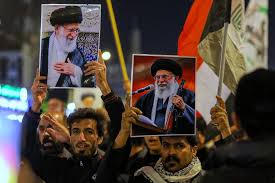
Iran has entered an official period of mourning following reports regarding Supreme Leader Ayatollah Ali Khamenei’s health and political developments. Across the country, citizens have gathered in major cities to participate in ceremonies and express solidarity with the leadership. State media have broadcasted tributes highlighting Khamenei’s role in shaping Iran’s domestic and foreign policies.
The period of mourning comes amid rising geopolitical tensions, with Iranian military actions targeting U.S. interests in the Gulf. The strikes appear to be a show of strength and a demonstration of Tehran’s readiness to assert its influence across the region. Analysts have noted that the timing of these operations coincides with shifts in Iran’s political hierarchy.
Iranian Strikes in the Gulf Raise Alarm
Reports indicate that Iranian forces launched missile and drone attacks targeting strategic locations used by U.S. military personnel and allied shipping. Officials in the Gulf region have confirmed heightened alert levels, with naval forces and air defense units monitoring potential threats. While no large-scale casualties have been reported, the attacks have intensified fears of a broader military escalation.
Experts argue that the strikes are both symbolic and tactical. Symbolically, they reinforce Iran’s resolve in the wake of Khamenei’s health uncertainties. Tactically, the actions send a message to U.S. and allied forces, highlighting Tehran’s capacity to disrupt critical maritime operations.
Israel Targets Emerging Tehran Leadership
Amid Iran’s mourning period, Israel has reportedly carried out precision operations aimed at disrupting the country’s new leadership infrastructure. These efforts focus on intelligence-gathering and strategic strikes to prevent Tehran from consolidating power quickly. Officials suggest that these operations are preemptive, designed to mitigate potential threats from emerging military and political figures.
The operations are consistent with Israel’s longstanding policy of countering perceived Iranian influence across the Middle East. Analysts highlight that targeting the leadership network during a period of national mourning signals the heightened urgency of regional security calculations.
Regional and Global Reactions
Neighboring Gulf states have expressed concern over escalating tensions, calling for restraint from all parties involved. The United Nations has urged diplomatic solutions, emphasizing the need for dialogue to avoid an unintended conflict. Meanwhile, the U.S. has reinforced its presence in the region, positioning additional forces and monitoring shipping lanes for potential disruptions.
Global powers continue to assess the situation carefully. European leaders have called for calm and urged both Iran and Israel to exercise caution, highlighting the fragile balance of power in the Middle East. The economic and political stakes are high, as any escalation could impact global energy markets and trade routes.
Understanding the Implications
The recent events underline the fragility of regional security dynamics. Iran’s assertive posture in the Gulf, combined with Israel’s targeted operations, could set the stage for broader confrontations if miscalculations occur. Observers warn that while both sides currently appear measured, any further provocations might escalate into wider conflict.
Additionally, the internal politics of Iran remain a critical factor. The nation’s leadership transition is closely watched by both domestic and international stakeholders. How Tehran manages the balance between demonstrating strength and maintaining internal stability will likely influence its foreign policy decisions in the coming weeks.
Potential Scenarios
Several scenarios are emerging in response to the heightened tensions:
- Diplomatic Engagement – Regional powers might push for negotiations to prevent further military escalation.
- Continued Military Posturing – Both Iran and Israel may continue precision strikes, signaling deterrence.
- Broader Conflict – Miscommunication or miscalculation could trigger an unintended wider confrontation.
- Internal Political Consolidation – Iran may use this period to strengthen domestic leadership and security structures.
Experts emphasize that monitoring both military movements and diplomatic statements will be crucial in predicting the next phase of developments.
Conclusion
Iran’s mourning of Supreme Leader Khamenei coincides with a critical juncture in Middle Eastern geopolitics. The combination of Iranian attacks in the Gulf and Israeli operations against Tehran’s emerging leadership has intensified international attention. While both nations appear to exercise strategic restraint, the situation remains highly volatile. Global observers continue to monitor developments closely, as the coming days may redefine the regional security landscape.
