
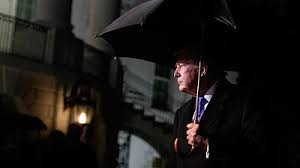

A Hope Fueled From Abroad
When protests spread across Iran, many demonstrators believed they were witnessing the beginning of a historic turning point. Years of economic pressure, political repression, and social frustration had finally converged into open resistance. What made this wave of unrest feel different was not only its scale, but the sense that the world was watching closely. For some protesters, encouragement from powerful voices abroad became a source of courage rather than caution.
Among those voices, Donald Trump’s statements stood out sharply. His public remarks suggested that the Iranian people would not be left alone if their government responded with violence. To many inside Iran, those words sounded like a promise rather than political rhetoric. Protesters interpreted them as a signal that international pressure, or even intervention, might follow.
That belief carried real consequences on the ground. People who had long avoided public dissent decided to take risks they previously considered unthinkable. The expectation of foreign backing gave some demonstrators a sense of protection, even as security forces tightened their grip. In hindsight, that expectation would become a source of deep regret.
From Encouragement to Silence
As clashes intensified, the Iranian authorities moved quickly to reassert control. Streets that once echoed with chants soon filled with armed security units and riot police. Arrests multiplied, and reports of injuries and deaths began to circulate despite strict information controls. The government’s response made clear that it was prepared to use overwhelming force to restore order.
At the same time, the tone from Washington appeared to shift. Initial statements urging resistance were followed by quieter diplomacy and mixed messaging. For protesters who had placed faith in external support, the absence of decisive action was both confusing and demoralizing. What felt like momentum suddenly stalled.
The internet shutdown across much of the country deepened the sense of abandonment. Protesters were cut off from one another and from the outside world at the very moment they felt most vulnerable. Families searched desperately for news of detained or injured relatives. In that isolation, faith in international solidarity began to crumble.
For many Iranians, the silence was louder than the earlier promises. The gap between words and action became impossible to ignore. As days passed without meaningful intervention, the realization set in that they were facing the consequences alone.
The Human Cost of Expectations
The human toll of the protests extended far beyond headlines and statistics. Families mourned loved ones killed in demonstrations or lost within the prison system. Parents struggled to understand how hope had transformed so quickly into tragedy. In many homes, conversations turned from optimism to grief.
Some relatives of those killed said their loved ones genuinely believed foreign powers would step in if the violence escalated. That belief influenced their decisions to join protests and remain in the streets despite growing danger. When help failed to arrive, it left behind not only anger, but a painful sense of betrayal. The emotional impact proved as enduring as the physical losses.
Detained protesters faced especially harsh conditions. Human rights advocates warned that many were denied fair trials and subjected to severe treatment. The lack of sustained international pressure only reinforced fears that detainees would be forgotten. For families waiting outside prisons, hope became increasingly fragile.
These experiences reshaped how many Iranians viewed foreign political leaders. Supportive statements were no longer seen as reassuring. Instead, they were viewed with suspicion, weighed against the real risks faced by ordinary people.
A Diaspora in Disbelief
Iranians living abroad followed events with a mix of pride and dread. Many had family members directly involved in protests, and they interpreted international rhetoric as a sign that meaningful change might finally be possible. As time passed, that optimism gave way to frustration and guilt. Watching from safety while loved ones faced danger created a deep emotional divide.
Within diaspora communities, debates emerged over whether relying on foreign leaders had been a mistake. Some argued that external encouragement raised expectations without offering protection. Others maintained that international attention, even if inconsistent, still mattered. These disagreements reflected broader uncertainty about how change could realistically occur.
For activists outside Iran, the episode became a sobering lesson. Mobilizing global support proved easier than securing global action. Many concluded that words from powerful figures could inspire courage but also expose people to greater danger. The cost of misplaced trust became painfully clear.
Despite disappointment, the diaspora did not disengage. Advocacy efforts continued through media campaigns, legal initiatives, and support networks. Yet the tone shifted from hopeful urgency to cautious realism.
Lessons That Linger
Inside Iran, the protest movement entered a period of reassessment. Some activists chose to retreat temporarily, focusing on survival rather than confrontation. Others continued quieter forms of resistance, wary of public demonstrations. The experience reshaped strategies as well as expectations.
A growing number of protesters began emphasizing self-reliance over foreign promises. They argued that lasting change would have to come from within, no matter how slow or difficult that path might be. External support, they said, could help, but should never be assumed. Trust, once broken, was hard to restore.
Political analysts noted that foreign intervention in Iran has always been constrained by regional risks and global calculations. Military action carried the possibility of widespread conflict, while economic pressure often harmed civilians more than leaders. These realities made bold rhetoric easier than bold action. Protesters, however, bore the consequences of that imbalance.
The memory of raised hopes and sudden silence continues to shape public consciousness. For many Iranians, it reinforced a long-standing belief that global powers act primarily in their own interests. Sympathy, they learned, does not guarantee protection.
What Remains After the Protests
Although the demonstrations subsided under intense pressure, their impact did not disappear. The protests revealed the depth of public dissatisfaction and the courage of those willing to confront authority. They also exposed the risks of relying on uncertain international support. Both lessons remain deeply ingrained.
Families continue to seek justice for those lost or imprisoned. Activists document abuses and preserve memories, refusing to let stories fade. Even in quiet moments, the sense of unfinished struggle persists. The desire for change remains, tempered by painful experience.
For many protesters, betrayal was not just political but personal. It reshaped how they understood power, solidarity, and survival. The events left scars, but also clarity. Hope, they learned, must be grounded in reality.
As Iran moves forward, the legacy of these protests will continue to influence future movements. Whether that influence leads to renewed resistance or cautious restraint remains uncertain. What is clear is that words alone are no longer enough to inspire trust.
