

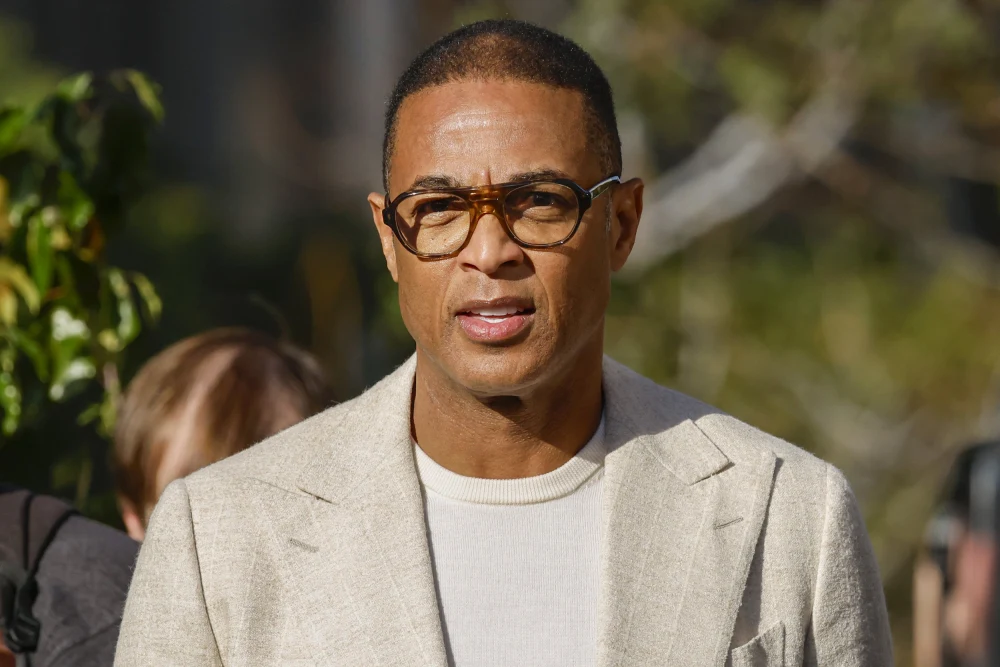
Don Lemon Adds High-Profile Former U.S. Prosecutor to Legal Team Amid Controversy
Former CNN anchor Don Lemon has taken a significant step in strengthening his legal defense by hiring a veteran former federal prosecutor, Joseph H. Thompson, who resigned from the U.S. Attorney’s Office in Minnesota late last month.
Lemon is currently facing federal charges connected to his coverage of a protest that disrupted a church service in St. Paul, Minnesota, where he was present as a journalist. Those charges include alleged interference with the constitutional rights of worshippers and conspiracy related to civil rights violations.
The addition of Thompson, a respected lawyer with nearly two decades of experience in federal prosecution, signals a major development in Lemon’s legal strategy as he prepares for upcoming court proceedings. The move comes after a turbulent period for the Minnesota U.S. Attorney’s Office that has drawn national attention.
Experienced Trial Lawyer Joins the Defense
Joseph Thompson previously served as the acting U.S. Attorney for the District of Minnesota and was widely known for leading major fraud and public corruption investigations within the state. His role at the U.S. Attorney’s Office gave him deep insight into federal prosecution practices and courtroom experience across a broad range of cases.
Thompson’s departure from the prosecutor’s office in mid-January was part of a wave of resignations by senior career prosecutors, who left amid internal disagreements over how federal investigations were being handled — particularly in response to the deadly shooting of Renee Good by a federal immigration agent. That incident revealed tension between career prosecutors and higher-level directives that prioritized certain investigatory paths.
Thompson’s decision to resign was seen by many legal observers as a principled stand against what he and others viewed as misguided prosecutorial priorities at the time. His transition to private practice has now placed him squarely on the opposing side of the federal prosecution that once employed him.
Legal Team Expansion Signals High Stakes for Lemon
Joining Lemon’s existing counsel, including well-known defense attorney Abbe Lowell, Thompson’s presence adds significant trial experience and federal courtroom savvy. Lemon has maintained that he was acting in the capacity of an independent journalist when he covered the now-controversial demonstration, and his legal team has pledged to contest the charges vigorously.
Lemon’s lawyers argue that the case raises critical questions about press freedom and the scope of constitutional protections for journalists covering public protests. Supporters of Lemon contend that his arrest and indictment have broader implications for press rights and the government’s approach to accountability in politically charged cases.
Critics of the federal prosecution argue that pursuing charges against journalists sets a troubling precedent that could chill robust reporting, especially during highly contentious protests. Legal scholars have noted that the case may ultimately test interpretations of civil rights laws and the First Amendment.
Background: Church Protest and Federal Charges
The federal indictment alleges that Lemon’s actions during the protest crossed legal boundaries by interfering with worshippers’ free exercise of religion and potentially collaborating with protest organizers. Lemon has denied any role in planning or directing the protest and insists that he was present solely to document the events unfolding that day.
Lemon’s court appearances have drawn widespread media coverage, with dramatic scenes including his arrest at a Los Angeles hotel after federal agents executed a warrant. He was later released by a federal judge on his own recognizance pending further proceedings.
Observers have emphasized that Lemon’s high profile and decades in broadcast journalism have made this case especially visible to the public, intensifying debates over press rights and government power.
Resignations and Turmoil at the U.S. Attorney’s Office
The resignations of Thompson and several senior prosecutors from the Minnesota U.S. Attorney’s Office drew national scrutiny well before Lemon’s case gained prominence. Those departures were tied to internal disputes about how the office should investigate the fatal shooting of Renee Good — an incident that sparked protests and criticism of federal immigration enforcement policies.
Several attorneys reportedly disagreed with higher-level directives that prioritized alternative investigative avenues instead of pursuing a full criminal inquiry into the shooting itself. Their exit highlighted broader tensions within the Justice Department as political pressures and internal divisions came to light.
The fallout has had lasting effects on the office’s leadership structure and has indirectly influenced the landscape in which Lemon’s case is unfolding now.
National Debate Over Press Freedom and Prosecution
Legal analysts say that Lemon’s decision to bring in an experienced former federal prosecutor reflects the high stakes of his defense. The case has stirred debate among civil liberties advocates, journalists, and legal professionals, who are watching closely for indications about how courts balance civil rights enforcement against constitutional freedoms.
Some commentators have framed the litigation as a test of the government’s reach when it comes to actions taken by members of the press at protests. Others suggest that it underlines the complexities of federal prosecutions connected to civil rights, especially when protests and politically sensitive contexts are involved.
As the case moves forward, Lemon’s expanded legal team, now bolstered by Thompson’s expertise, appears poised for a rigorous defense aimed at challenging the government’s position and seeking a favorable outcome.
Looking Ahead to Court Proceedings
Don Lemon’s next scheduled court appearance is drawing national attention, with legal experts predicting that the involvement of a seasoned former federal prosecutor could influence the strategy and trajectory of the defense.
Whether Lemon will be able to secure a dismissal of charges or negotiate favorable terms remains to be seen, but the case has already become a focal point for broader conversations about the role of journalists, civil rights laws, and the federal government’s prosecutorial discretion.
For now, Lemon’s legal team is preparing for what could be a lengthy legal battle that tests fundamental questions about press freedom and the boundaries of federal civil rights enforcement.
