

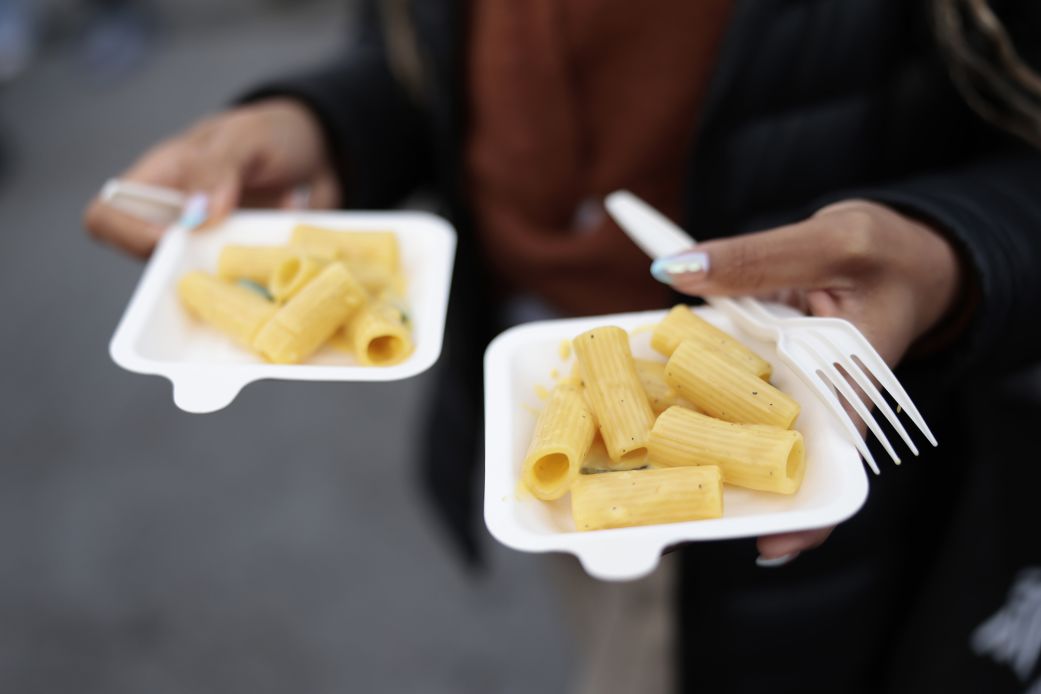
Italian pasta producers have secured a significant break after U.S. trade officials sharply reduced proposed tariffs that had threatened to drive up prices and disrupt exports.
The decision eases fears that some of Italy’s best-known pasta brands would face prohibitive costs when selling into the American market, one of their most important overseas destinations.
The revised ruling follows weeks of uncertainty after U.S. authorities initially signaled plans to impose steep duties on pasta imports from a group of Italian manufacturers, citing concerns over unfair pricing practices.
Those proposals immediately alarmed Italian industry leaders, who warned that higher tariffs could push retail prices beyond reach for many American consumers and damage long-standing trade ties.
A Sharp Change in Direction
Under the original proposal, additional duties would have come on top of existing tariffs already applied to European food products, in some cases nearly doubling the cost of imported pasta.
Following a review process, however, U.S. officials recalculated the tariff rates, significantly lowering them for all affected companies. Some producers now face only minimal additional duties, while others will see moderate increases far below the initial estimates.
Italian government representatives welcomed the revision, describing it as recognition of the cooperation shown by pasta makers during the investigation.
Officials in Rome said the outcome reflected the strength of diplomatic engagement and technical discussions held with U.S. counterparts, which helped clarify production costs and pricing structures.
Why the Tariffs Mattered
The United States is one of the largest export markets for Italian pasta, accounting for a substantial share of annual sales for many producers.
Industry groups had warned that severe tariffs could have forced companies to cut back shipments, reduce investment, or even withdraw certain product lines from U.S. shelves.
Retailers and restaurants also expressed concern, noting that imported Italian pasta plays a key role in menus and grocery offerings tied to authenticity and quality.
Consumer advocates added that higher duties would likely be passed on to shoppers, increasing food costs at a time when many households are already facing inflationary pressures.
Industry Relief and Cautious Optimism
Pasta manufacturers described the revised tariff levels as a welcome reprieve, though many emphasized that uncertainty remains until a final decision is issued later in the year.
Executives said the lower rates would allow companies to continue operating in the U.S. market without drastic changes to pricing or supply chains.
Trade associations noted that the decision helps preserve thousands of jobs across Italy’s agricultural and food-processing sectors, from wheat growers to factory workers and logistics providers.
They also stressed that maintaining access to the U.S. market supports long-term planning and investment in sustainable production methods.
Broader Trade Implications
The pasta ruling comes amid a wider reassessment of U.S. trade measures introduced during the Trump administration, many of which targeted European goods.
In recent months, U.S. officials have reviewed several proposed or existing tariffs, weighing their economic impact against domestic policy goals.
Analysts say the softened approach toward Italian pasta may signal a broader willingness to adjust trade penalties when evidence suggests they could harm consumers or allies.
European officials have closely monitored the situation, viewing it as a test case for how similar disputes might be handled in the future.
What Happens Next
While the reduced tariffs represent a clear improvement, the process is not yet complete. A final determination is expected after additional consultations and submissions from interested parties.
Italian producers say they will remain engaged with U.S. authorities to ensure their practices are fully understood and fairly assessed.
For now, the outcome allows companies to maintain stability in exports and reassures American buyers that their favorite pasta brands will remain widely available.
As trade discussions continue, the episode highlights the delicate balance between protecting domestic industries and preserving open, mutually beneficial markets.
