

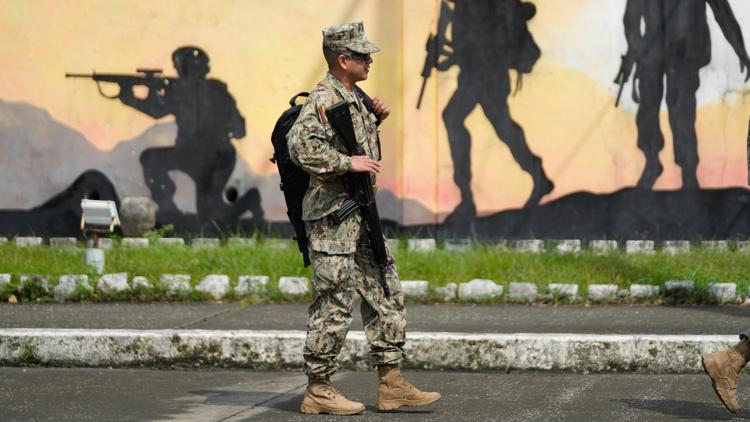
A Defining Moment in US–Ecuador Security Cooperation
The United States and Ecuador have entered a new chapter in bilateral security relations with the launch of a joint military operation aimed at dismantling powerful drug trafficking organizations operating inside Ecuador. The coordinated effort signals a more aggressive posture against groups accused of fueling violence, instability, and transnational crime across the region. Officials describe the initiative as a necessary escalation in response to the rapid expansion of narco-terror networks.
For years, Ecuador has transformed from a relatively peaceful nation into one of the region’s most volatile transit corridors for cocaine shipments. Criminal syndicates have exploited its ports and porous borders to move narcotics toward North America and Europe. This surge in trafficking has coincided with a dramatic rise in gang-related violence, prison unrest, and political insecurity. The new joint campaign seeks to reverse that trajectory.
Unlike previous anti-drug cooperation that largely focused on maritime patrols and intelligence sharing, this mission involves coordinated land-based operations. U.S. military personnel are working directly alongside Ecuadorian forces in strategic zones known for cartel activity. The move reflects Washington’s broader strategy of targeting criminal organizations at their operational core rather than merely intercepting shipments in transit.
Ecuador’s leadership has framed the operation as part of a national survival strategy. With public safety deteriorating and criminal groups exerting influence in urban centers, authorities argue that decisive international support is essential. The collaboration underscores growing alignment between Quito and Washington on counter-narcotics priorities.
Strategic Objectives and Operational Scope
The principal goal of the joint offensive is to weaken and dismantle cartel structures that have embedded themselves within Ecuador’s security landscape. By classifying certain trafficking groups as terrorist entities, U.S. authorities have expanded the legal scope for military involvement. This designation enables more robust operational coordination and resource deployment.
Military planners are reportedly focusing on critical infrastructure points such as ports, airports, and high-risk provinces. These locations are believed to serve as logistical hubs for narcotics exports and arms smuggling. The strategy blends tactical ground movements with surveillance capabilities designed to disrupt communication channels within criminal networks.
Operational secrecy remains tight, with both governments limiting public disclosure of troop numbers and mission timelines. Officials cite security concerns and the risk of compromising ongoing activities. Nonetheless, analysts believe the scope of cooperation represents one of the most significant joint security actions in South America in recent years.
Beyond direct engagement, the operation also includes intelligence integration, coordinated patrols, and enhanced border monitoring. Authorities have imposed temporary curfews in certain high-risk districts to restrict cartel mobility and protect civilian populations. These measures illustrate a comprehensive approach that merges military, law enforcement, and public safety tools.
The campaign is also expected to include financial investigations targeting money laundering and illicit financial flows. Experts argue that dismantling the economic backbone of trafficking groups is essential for long-term success. By disrupting funding streams, authorities hope to weaken the operational sustainability of organized crime networks.
Furthermore, regional maritime security has been strengthened to prevent displacement of trafficking routes. Criminal organizations often shift corridors when faced with pressure, so simultaneous land and sea coordination is considered vital. This layered enforcement model aims to prevent cartels from simply relocating their activities.
Political Impact and Regional Implications
Domestically, the joint operation has generated strong reactions. Supporters contend that extraordinary threats require extraordinary measures and that Ecuador cannot confront entrenched criminal groups alone. They argue that international collaboration provides critical expertise and resources at a moment of national crisis.
Critics, however, have raised questions about sovereignty and the long-term presence of foreign military forces. Some political leaders caution that reliance on external troops could spark public unease or complicate future diplomatic relations. The debate reflects broader tensions seen across Latin America regarding foreign military involvement.
Ecuador’s president has emphasized that the partnership does not compromise national autonomy but instead reinforces the country’s capacity to defend itself. Officials insist that operations remain under coordinated command structures that respect Ecuadorian authority. The framing seeks to reassure citizens that the initiative strengthens rather than diminishes sovereignty.
Regionally, neighboring governments are closely monitoring developments. The success or failure of this campaign could influence how other countries approach collaboration with the United States in combating organized crime. A positive outcome may encourage similar joint frameworks elsewhere in the hemisphere.
The operation also carries implications for U.S. foreign policy. Washington has increasingly described narcotics trafficking as a national security threat linked to migration pressures and domestic crime. Strengthening partnerships with frontline states aligns with broader efforts to disrupt supply chains before drugs reach American communities.
International security analysts note that the initiative may reshape discussions within multilateral organizations about coordinated anti-crime strategies. If measurable reductions in violence and trafficking occur, the campaign could serve as a blueprint for integrated military-law enforcement cooperation. Conversely, any escalation in violence would likely intensify scrutiny.
Broader Security and Economic Considerations
Ecuador’s economic stability has been severely tested by rising insecurity. Foreign investment and tourism have suffered as headlines of violence spread globally. Government officials hope that restoring order through decisive action will gradually rebuild investor confidence and strengthen economic recovery.
Public safety concerns have also deeply affected everyday life for Ecuadorians. Communities impacted by gang conflicts face disrupted schooling, limited business activity, and constant uncertainty. Authorities argue that a sustained security presence is necessary to reclaim public spaces and rebuild trust.
The joint operation may also influence migration patterns. As violence escalates, many citizens consider leaving the country in search of stability abroad. By reducing criminal dominance and restoring security, policymakers aim to address one of the root drivers of outward migration.
Human rights organizations are urging transparency and accountability as operations unfold. They stress the importance of protecting civilian rights while combating organized crime. Maintaining strict adherence to international law will be essential for preserving domestic and international legitimacy.
The long-term sustainability of the initiative will depend on parallel investments in judicial reform and social development. Experts caution that military action alone cannot eliminate deeply entrenched criminal economies. Comprehensive strategies must include community engagement, employment programs, and anti-corruption efforts.
As the mission progresses, periodic assessments will likely determine whether objectives are being met. Clear benchmarks, such as reductions in homicide rates and narcotics seizures, will serve as indicators of effectiveness. Both governments face pressure to demonstrate tangible results.
Ultimately, the US Ecuador joint military anti-drug operation represents a pivotal moment in hemispheric security cooperation. It reflects a shared recognition that transnational crime requires coordinated, cross-border solutions. Whether it becomes a model for future alliances or a cautionary tale will depend on outcomes in the months ahead.
