

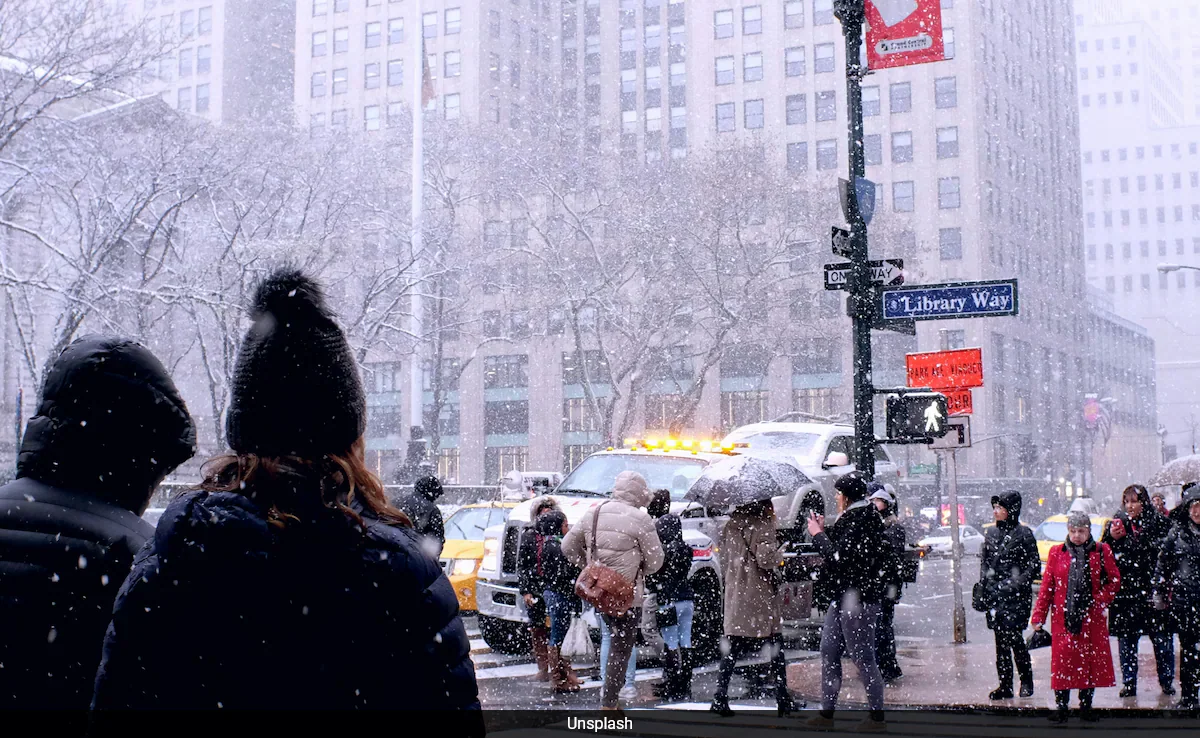
A powerful winter storm has swept across large parts of the United States, bringing heavy snowfall, intense winds and sharply colder temperatures that disrupted daily life for millions of people. From the Great Lakes to the Northeast, communities faced hazardous travel conditions, widespread power outages and growing concerns over public safety as the storm intensified.
Meteorologists described the system as unusually strong, fueled by rapidly dropping atmospheric pressure that allowed it to strengthen quickly. The combination of moisture, cold air and high winds created blizzard-like conditions in several states, with snow blowing sideways and visibility reduced to near zero at times.
The storm arrived after a period of relatively unstable weather, compounding its impact on regions already dealing with seasonal winter challenges. Emergency services across multiple states reported a surge in calls related to accidents, stranded motorists and weather-related damage.
Widespread Disruptions and Power Outages
One of the most immediate effects of the storm was the loss of electricity across large areas. High winds toppled trees and power lines, leaving tens of thousands of households without power during freezing temperatures. Utility crews worked around the clock to restore service, though progress was slowed by ongoing snowfall and dangerous road conditions.
In urban centers and rural towns alike, officials urged residents to conserve heat and avoid unnecessary travel. Warming shelters were opened in several locations to support vulnerable populations, particularly elderly residents and those without reliable heating.
Road travel became especially hazardous as snow and ice accumulated faster than plows could clear it. Several major highways experienced temporary closures due to multi-vehicle accidents, while local roads became impassable in more remote areas. Authorities advised drivers to carry emergency supplies and to delay trips whenever possible.
Air travel was also affected, with numerous flight delays and cancellations reported at major airports. Rail services and public transport systems operated on limited schedules in some cities, adding to commuter frustration and logistical challenges.
Extreme Cold and Dangerous Conditions
Beyond the snowfall, dangerously cold temperatures posed a serious risk. Wind chills plunged well below zero in northern states, raising the threat of frostbite and hypothermia for anyone exposed to the elements for extended periods. Weather officials warned that even brief outdoor exposure could be dangerous without proper protection.
In the Midwest and Plains, the storm pushed Arctic air farther south, bringing freezing temperatures to regions less accustomed to prolonged cold spells. Residents were advised to insulate pipes, protect pets and monitor heating systems to prevent damage and health risks.
Lake-effect snow intensified conditions near major bodies of water, where strong winds picked up moisture and dumped additional snow on downwind communities. In these areas, snowfall totals climbed rapidly, overwhelming snow removal efforts and creating towering drifts.
Emergency responders emphasized the importance of checking on neighbors, particularly those living alone or with limited mobility. Community organizations and volunteers played a key role in delivering supplies and assisting with snow removal during the height of the storm.
Looking Ahead and Lessons Learned
As the storm slowly began to weaken, forecasters cautioned that lingering effects would continue for several days. Icy roads, refreezing snow and continued cold temperatures were expected to remain hazards, especially overnight and during early morning hours.
Cleanup efforts commenced as conditions improved, with residents digging out driveways, clearing fallen branches and assessing property damage. Local governments coordinated debris removal and infrastructure repairs while monitoring for further weather developments.
Experts noted that storms of this intensity highlight the increasing unpredictability of winter weather patterns. Rapidly strengthening systems can leave little time for preparation, making early warnings and public awareness critical for reducing risks.
The storm also underscored the importance of winter readiness, from maintaining emergency kits to ensuring homes are properly insulated. Officials encouraged residents to review safety plans and stay informed as winter continues, reminding the public that severe weather can strike with little notice.
While the worst conditions have passed in many areas, the impact of the storm will be felt for days to come. For many communities, it served as a stark reminder of winter’s power and the need for vigilance, preparedness and cooperation during extreme weather events.
