

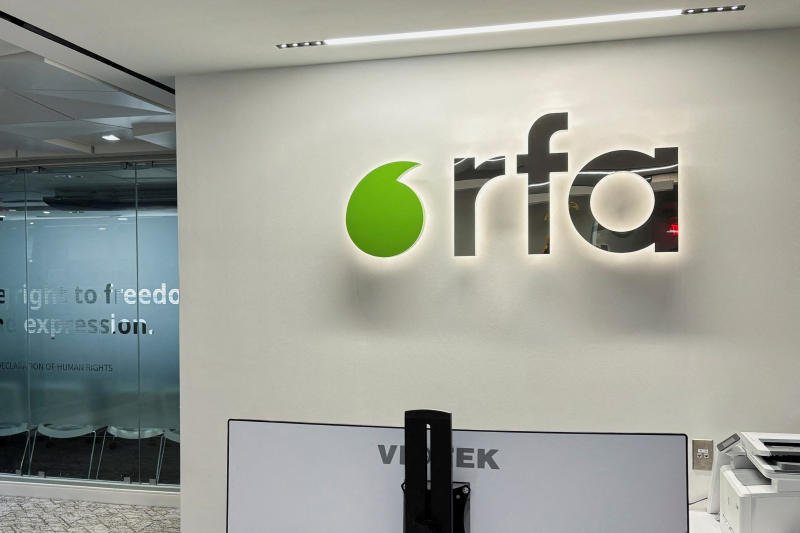
Radio Free Asia Restarts China Broadcasts After Funding Cuts Nearly Shut It Down
Radio Free Asia has officially resumed its broadcasts to audiences in China after a turbulent period that nearly forced the organization to cease operations. The restart marks a significant moment for independent journalism in the region. For months, uncertainty loomed over whether the broadcaster would be able to maintain its presence. Now, its return signals a renewed effort to reach listeners seeking uncensored information.
The network had previously scaled back services when critical funding streams were cut, placing enormous strain on its infrastructure and workforce. Journalists, editors, and technical teams faced the prospect of layoffs and long-term shutdowns. The financial disruption also threatened the organization’s ability to deliver timely reporting in multiple Asian languages. Observers warned that a prolonged silence could weaken access to independent news in tightly controlled media environments.
Funding Crisis and Political Debate
The budget reductions stemmed from earlier policy decisions that significantly lowered allocations for U.S.-backed international broadcasters. For decades, Radio Free Asia operated with congressional appropriations administered through the US Agency for Global Media. The funding structure had long provided stability for overseas reporting missions. When that support was scaled back, the broadcaster faced one of the most serious challenges in its history.
The funding controversy also affected affiliated outlets such as Voice of America, which shares similar oversight and objectives. Critics of the reductions argued that diminishing financial backing for global media outlets undermines U.S. efforts to counter censorship abroad. Supporters of tighter budgets, however, questioned the scope and scale of government-funded journalism. The debate quickly became part of a broader conversation about foreign policy and media strategy.
Lawmakers from both major political parties later approved a revised budget that restored part of the lost funding. While the new allocation does not fully match previous levels, it provided enough support to allow operations to gradually resume. Media analysts note that bipartisan backing reflects recognition of the broadcaster’s strategic importance. The renewed funding created a pathway for rebuilding essential transmission capabilities.
Despite the partial restoration, executives caution that long-term sustainability remains uncertain. The organization continues to advocate for predictable financial commitments to avoid future disruptions. Stable funding, leadership says, is crucial for maintaining editorial independence and technical reliability. Without it, services could once again be at risk during future political shifts.
Rebuilding Broadcast Services
To bring programming back on air, Radio Free Asia entered into agreements with private transmission providers. These arrangements enabled the restoration of shortwave and medium-wave signals targeting mainland China. The broadcaster also reactivated digital platforms to complement traditional radio services. Together, these channels expand the organization’s ability to reach audiences across diverse regions.
Mandarin-language programming has returned online, delivering daily news bulletins, investigative reports, and cultural analysis. In addition, Tibetan and Uyghur language services have resumed radio transmissions, reconnecting with communities that rely heavily on external information sources. These multilingual broadcasts are central to the network’s mission of inclusivity. Each service is designed to address the unique concerns of its target audience.
Network officials emphasize that rebuilding trust with listeners is just as important as restoring signal strength. During the period of reduced operations, audiences had fewer opportunities to access consistent coverage. By returning to regular programming schedules, the broadcaster hopes to reaffirm its reliability. Editors say they are prioritizing in-depth reporting and fact-based analysis.
The organization is also investing in modern digital tools to strengthen its resilience. Enhanced cybersecurity measures and improved online distribution systems are part of the recovery strategy. Leaders argue that combining traditional broadcasting with secure digital access will help overcome censorship barriers. This hybrid model reflects the evolving landscape of global media consumption.
Strategic Importance in a Changing Media Landscape
Independent media advocates view the return of Radio Free Asia as a vital development for press freedom in Asia. In countries where state media dominates, external news outlets often provide alternative perspectives. Analysts suggest that such reporting contributes to greater transparency and public awareness. The restoration of broadcasts therefore carries both journalistic and geopolitical significance.
Officials representing the Chinese government have consistently criticized the broadcaster’s reporting. In statements issued by the Chinese Embassy in Washington, representatives have accused the outlet of promoting biased narratives. The broadcaster, however, maintains that its coverage adheres to established journalistic standards. The exchange underscores ongoing tensions surrounding foreign-funded media.
Experts say the broader issue extends beyond one organization. The future of international broadcasting depends on how governments balance fiscal priorities with commitments to free expression. As digital platforms continue to expand, traditional radio remains a lifeline in areas with restricted internet access. Maintaining that balance will shape the next chapter of global media engagement.
For now, Radio Free Asia’s return to the airwaves represents a cautious but meaningful revival. Its leadership has pledged to continue expanding services as funding stabilizes. Observers will be watching closely to see how the organization navigates political pressures and financial realities. The renewed broadcasts stand as a reminder of the enduring demand for independent journalism across borders.
