

The geopolitical balance in Latin America was abruptly shaken this week after the United States carried out a sudden military operation against Venezuela, resulting in the arrest of President Nicolás Maduro and his wife, Cilia Flores.
The operation, authorised by U.S. President Donald Trump, marked one of the most extraordinary actions taken by Washington in the region in decades. American officials confirmed that Maduro was detained during the operation and transferred to the United States, where he now faces federal charges linked to narcotics trafficking and organised crime.
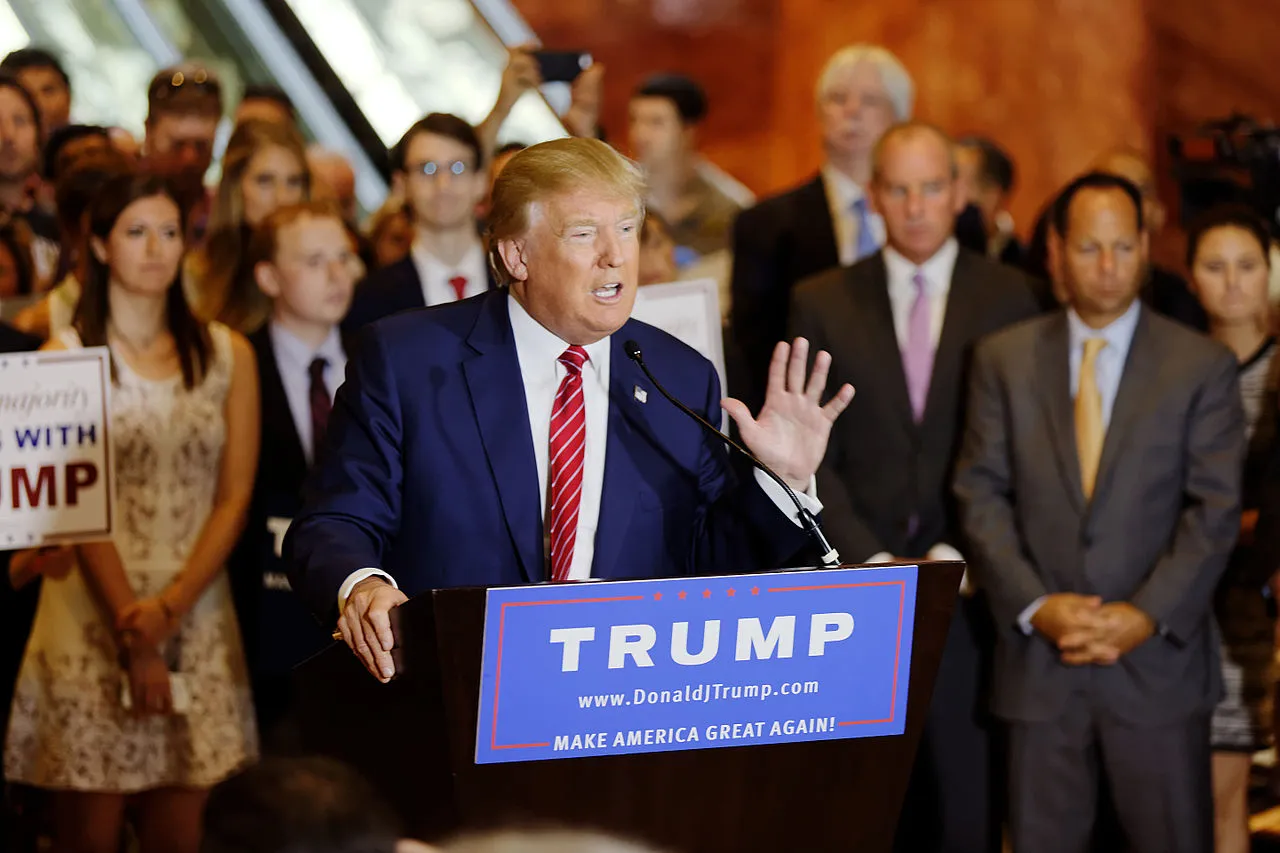
Trump announced the outcome of the operation from his Florida residence, declaring that Maduro’s removal was necessary to protect U.S. national security and to dismantle what he described as a criminal state apparatus operating out of Venezuela.
The announcement immediately triggered global reactions, with allies and critics alike questioning the legality and long-term consequences of seizing a sitting head of state through military force.
Arrest of a Sitting President Sends Shockwaves
Following his arrival in New York, Maduro was placed under federal custody and moved to a high-security detention facility. U.S. authorities released images confirming his detention, igniting intense debate across international media and diplomatic circles.
In Venezuela, news of the arrest spread rapidly, prompting emergency meetings among senior government officials. The Supreme Court named Vice-President Delcy Rodríguez as interim leader, tasking her with maintaining constitutional order and responding to what officials labelled a “foreign invasion.”
Rodríguez condemned the U.S. action in a nationally televised address, insisting that Maduro remained Venezuela’s legitimate president and demanding his immediate release. She accused Washington of violating international law and attempting to impose control over Venezuelan sovereignty.
Despite her declaration, uncertainty gripped the country. Security forces were placed on high alert, and reports emerged of sporadic demonstrations both supporting and opposing Maduro’s removal.
Trump Signals Broader Regional Pressure
While international criticism mounted, President Trump doubled down on his stance, portraying the operation as a decisive strike against transnational crime. He argued that Venezuela under Maduro had become a central hub for cocaine trafficking into the United States.
In remarks that alarmed foreign governments, Trump suggested that similar actions could be taken elsewhere in the region. He singled out Colombia, accusing its leadership of failing to curb drug production, and openly floated the idea of military pressure if cooperation did not improve.
These statements heightened fears that Venezuela’s operation could be the beginning of a wider U.S. campaign in Latin America, raising concerns about regional instability and escalating conflict.
Even some members of Trump’s own political camp expressed unease, questioning whether the administration had a clear strategy for governance, reconstruction, or diplomatic fallout.
Global Condemnation and Legal Questions
International reaction was swift and largely critical. Governments across Europe, Latin America, and parts of Asia denounced the intervention as a violation of sovereignty and warned it could undermine international norms.
Several nations called for emergency diplomatic consultations, while global institutions stressed the importance of peaceful resolution and adherence to international law. Legal experts questioned whether the operation could be justified under existing frameworks governing military force and extradition.
Human rights organisations also raised alarms, warning that civilian populations could bear the consequences of prolonged instability and urging restraint from all sides.
At the United Nations, discussions intensified around whether the U.S. action could set a precedent that weakens protections for state sovereignty worldwide.
Uncertain Future for Venezuela
Inside Venezuela, the political future remains unclear. With Maduro in custody abroad and an interim government struggling to assert authority, the country faces renewed uncertainty after years of economic hardship and political division.
Trump stated that elections would be held at a later stage but provided no timeline or details regarding international oversight or legitimacy. Critics argued that without a clear transition plan, the situation could worsen rather than improve.
Supporters of the intervention, both inside and outside Venezuela, claimed that Maduro’s arrest represented a long-awaited opportunity for reform and democratic renewal.
Others warned that removing a leader by force, without domestic consensus, risks deepening divisions and prolonging instability.
A Turning Point for U.S. Foreign Policy
The arrest of Nicolás Maduro may mark a defining moment in modern U.S. foreign policy. By directly targeting a foreign head of state, Washington has entered uncharted territory that could reshape diplomatic relationships across the hemisphere.
As reactions continue to unfold, the long-term consequences of the operation remain uncertain. Whether it leads to stability, escalation, or prolonged conflict will depend on decisions made in the days and weeks ahead.
What is clear is that the reverberations of this action will extend far beyond Venezuela, influencing global debates about power, sovereignty, and the limits of military intervention in the modern world.
