

A deadly mass shooting at Brown University in Providence, Rhode Island, has left the campus reeling and investigators searching for answers as authorities released the only person of interest taken into custody in the case.
On the afternoon of December 13, 2025, during a final exam review session in the university’s Barus & Holley Engineering Building, gunfire erupted inside a classroom filled with students preparing for end-of-semester assessments. The attack, which occurred at approximately 4:05 p.m. EST, resulted in the deaths of two students and left nine others injured, sending shockwaves through the Ivy League institution and the wider academic community.
The building, which houses engineering and physics departments, was crowded at the time of the shooting, heightening the chaos and confusion as students and faculty scrambled for safety when the first shots rang out. Officials later confirmed that a handgun was used in the assault, though the motive behind the attack remains unclear.
In the immediate aftermath, Brown University issued an active shooter alert and implemented shelter-in-place orders across the campus. Students and staff were instructed to lock doors, silence phones, and seek immediate cover. Law enforcement quickly responded, searching campus buildings and surrounding areas as the breadth of the shooting became tragically evident.
Providence Police and emergency responders transported the nine wounded victims to local hospitals, including Rhode Island Hospital. Among them, several were reported to be in critical condition. The identities of the deceased and injured were withheld initially as families were notified, but Brown University President Christina Paxson confirmed that most of the victims were current students.
Authorities initially detained a person of interest, a 24-year-old man from Wisconsin, early on Sunday morning at a hotel about 17 miles from campus. He was taken into custody by Providence police as part of a wide-ranging manhunt involving more than 400 law enforcement personnel, including federal agencies. Two firearms were found in his possession at the time of his arrest, raising initial concern among investigators.
However, in a stunning development late Sunday, officials announced that the individual was being released without charges after determining there was insufficient evidence to link him to the shooting itself. Law enforcement described the release as a result of the investigation taking them in a “different direction,” though they stressed that inquiries would continue vigorously.
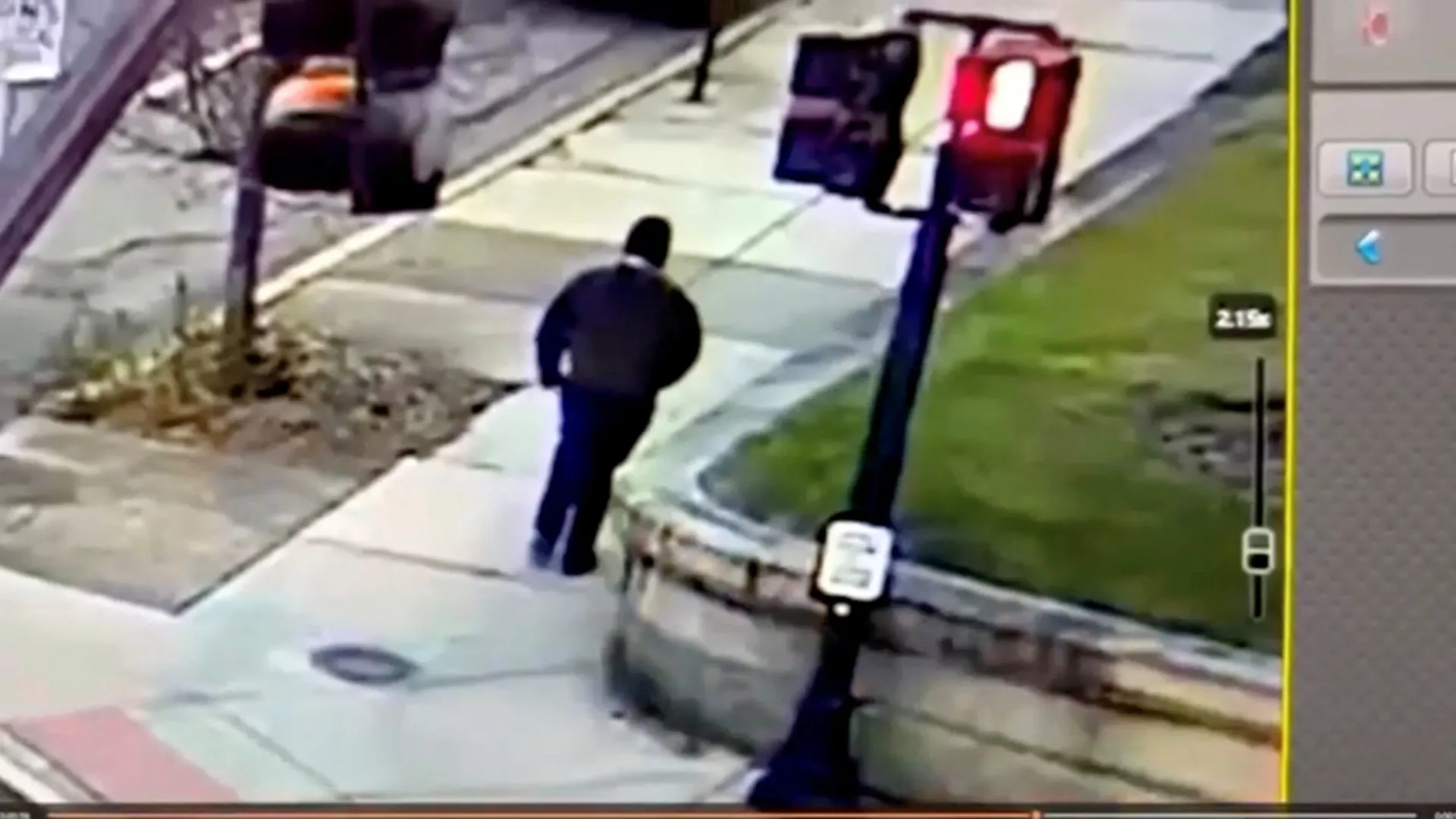
With the release of the sole person of interest, authorities now face the difficult task of searching for suspects without clear leads. Investigators are canvassing area surveillance footage, geolocation data, and other digital evidence in hopes of identifying the shooter or shooters responsible for the violence. The FBI and other federal partners have been actively assisting local law enforcement in these efforts.
The absence of a suspect has introduced fresh anxiety into an already distressed community. Providence Mayor Brett Smiley acknowledged that the development could cause additional stress for students, faculty, and families connected to Brown University. He emphasized that while the investigation’s direction had shifted, efforts to find the responsible party remained undiminished.
Brown University’s campus, normally bustling with academic activity during finals week, has turned somber. In the wake of the shooting, all remaining classes, exams, and academic assessments for the semester were canceled. The university has urged students to return home if they are able, and many have begun departing as families and counselors mobilize to support those affected.
A temporary shelter-in-place order that had been implemented for safety was lifted early Sunday morning, though police activity continued in certain areas as crime scene investigations proceeded. Students and staff reported seeing increased law enforcement presence across campus and in nearby neighborhoods.
The shooting has deeply shaken the Brown community. Vigils were held to honor the victims, with classmates, friends, and families gathering to mourn and seek solace. Brown officials have mobilized mental health resources for students and staff, recognizing the potential long-term psychological impact of such violence.
Some survivors of the attack have shared harrowing accounts of those moments. One student described the panic and confusion inside the classroom as shots were fired, with students attempting to seek cover or help one another. Another student, wounded while assisting a classmate, recounted the chaos and fear under fire.
The tragedy at Brown comes amid a broader backdrop of gun violence on U.S. college campuses, reigniting debates on firearm policy and campus safety. Advocates for stricter gun control measures and improved mental health services called for legislative action in the shooting’s aftermath, while political leaders expressed condolences for the victims and their families.
President Donald Trump offered his sympathies in remarks shared through official channels, urging unity and prayer for those affected. Meanwhile, senators and advocates renewed calls for measures aimed at reducing gun violence, including enhanced background checks and restrictions on certain types of firearms.
Local and national leaders alike have expressed frustration that another academic institution has become the site of lethal violence. The emotional toll on students and faculty—particularly during a time meant for academic culmination and celebration—has been profound.
Providence residents and Brown affiliates alike have voiced grief and disbelief, describing the incident as a “day no community ever wants to witness.” For many, such events evoke broader anxieties about safety in public spaces, particularly in institutions of higher learning traditionally viewed as sanctuaries for intellectual growth and exploration.
As investigators continue to chase leads and analyze evidence, questions remain about who carried out the shooting, how they gained access to the crowded classroom, and what drove them to open fire.
The release of the person initially detained underscores the challenges law enforcement faces in piecing together the puzzle of the shooting. Without clear forensic or eyewitness evidence tying an individual to the crime, authorities are urging the public to come forward with any information that might assist the investigation.
Security footage from cameras around campus and nearby streets has been requested and reviewed in hopes of spotting the shooter before or after the attack. Police have also established tip lines for community members who might have seen suspicious activity around the time of the incident.
The Brown University shooting has left a community in mourning and a nation once again confronting the grim reality of gun violence. As the investigation moves into its next phase, the search for accountability and understanding continues, amid grief for the lives lost and the futures forever altered.
