
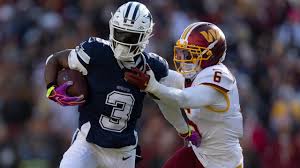

Dallas Cowboys owner and general manager Jerry Jones recently drew attention with remarks about the team’s plans regarding wide receiver George Pickens and his next contract. As Pickens approaches free agency, Jones signaled that the organization is beginning to think seriously about how it will handle negotiations with one of its most impactful offensive players.
During a radio appearance, Jones explained that he expects to speak directly with Pickens about his future in Dallas. While he acknowledged that the receiver’s agent will play a role in the process, Jones emphasized that personal communication with the player himself is important to him. He admitted he is not yet certain how the conversations will unfold, but his intention to be personally involved was clear.
This approach immediately sparked discussion around the league, especially given recent history. Jones previously chose to engage directly with linebacker Micah Parsons during contract talks rather than relying strictly on agent-led negotiations. That situation eventually deteriorated and ended with Parsons being traded, making fans and analysts cautious about whether a similar dynamic could develop with Pickens.
For Pickens, the timing is critical. Since joining the Cowboys, he has delivered one of the strongest seasons of his career and quickly established himself as a key part of the offense. His ability to stretch the field, make contested catches, and complement CeeDee Lamb has given Dallas a more dangerous passing attack. Many believe his production alone makes him deserving of a significant long-term deal.
Still, performance is only one piece of the puzzle. The Cowboys must also navigate salary-cap realities and long-term roster construction. With major financial commitments already in place at quarterback and other positions, the front office faces difficult choices when deciding how much it can allocate to another high-priced receiver without limiting flexibility elsewhere on the roster.
A High-Stakes Negotiation for Both Sides
Pickens’ contract situation presents several options. Dallas could attempt to negotiate a long-term extension, which would secure a talented player entering his prime but likely require a substantial financial commitment. Another option is the franchise tag, which would keep Pickens for one more season at a premium cost while delaying long-term resolution. Letting him reach free agency would risk losing a valuable contributor altogether.
From Pickens’ perspective, this negotiation represents more than just financial security. A new contract would reflect his standing among the league’s top wide receivers and validate his growth since entering the NFL. Players in similar situations often weigh not only money but also organizational stability, offensive scheme, and long-term competitiveness when making decisions about their future.
The presence of CeeDee Lamb also factors into the discussion. While having two elite receivers can stress opposing defenses, it also concentrates salary spending at one position. Dallas must determine whether maintaining a high-powered receiving duo is worth the trade-offs that may arise in other areas of the roster.
Jerry Jones’ Hands-On Philosophy
Jones’ desire to speak directly with Pickens highlights his long-standing hands-on management style. Unlike many owners who remain distant from contract negotiations, Jones has frequently taken an active role in discussions with star players. Supporters argue that this creates transparency and trust, while critics believe it can complicate negotiations that are better handled strictly through professional representatives.
The outcome of these conversations may hinge on tone and timing. Early dialogue could help establish mutual expectations and prevent misunderstandings. However, if talks stall or become contentious, direct involvement could amplify tensions rather than resolve them.
Around the league, executives and agents will be watching closely. How Dallas handles this situation could influence how future free agents and extensions are approached, particularly when it comes to balancing personal relationships with business realities.
What It Means for the Cowboys’ Future
From Pickens’ perspective, Dallas has represented a fresh start. He has spoken positively about the opportunity to play in a new environment and contribute to a high-profile franchise. Being part of a competitive team with playoff expectations has allowed him to showcase his abilities on a larger stage, which could influence his interest in remaining with the Cowboys long-term.
On the field, Pickens’ impact has outweighed occasional concerns about discipline or maturity. While there have been moments that raised questions, his consistent production and game-changing ability have kept him firmly in the team’s plans. That combination of talent and upside suggests he would command strong interest if he reaches the open market.
For the Cowboys, retaining Pickens could help stabilize the offense during a period of transition and keep the team competitive in a challenging conference. Losing him, on the other hand, would create a significant void that might be difficult to fill through the draft or free agency.
As the offseason approaches, the Cowboys’ handling of Pickens’ contract will be closely watched. Fans are eager to see whether the team can avoid another prolonged standoff and instead secure a deal that benefits both sides. The decision will not only shape the roster but also signal how Dallas plans to manage its stars moving forward.
Ultimately, George Pickens’ contract situation represents more than a single player’s payday. It reflects the Cowboys’ broader philosophy on leadership, communication, and financial planning. How Jerry Jones navigates these talks may have lasting effects on the franchise’s direction and credibility for years to come.
