

Republican Lawmaker Says Unredacted Epstein Files Point to Six Potentially Incriminated Men
U.S. Representative Thomas Massie has reignited national debate over government transparency after stating that his review of unredacted Jeffrey Epstein case files suggests at least six men were “likely incriminated” but had their names concealed from public disclosure. The Kentucky Republican said the redactions appear excessive and inconsistent with federal transparency laws passed specifically to address the Epstein case.
Massie’s remarks come amid growing bipartisan frustration over how the Department of Justice has handled the release of Epstein-related documents. While thousands of pages have been made public, lawmakers argue that critical information remains hidden despite legal requirements mandating broad disclosure.
According to Massie, the unredacted materials show clear references to individuals whose identities were removed from publicly released files. He stressed that while appearing in the documents does not automatically imply guilt, the context surrounding these names raises serious questions about why they were shielded from public view.
The congressman emphasized that public trust in the justice system depends on equal treatment under the law. When powerful individuals appear to receive special protection through redaction, he warned, confidence in federal institutions erodes further.
Congressional Review Raises Alarms Over DOJ Redactions
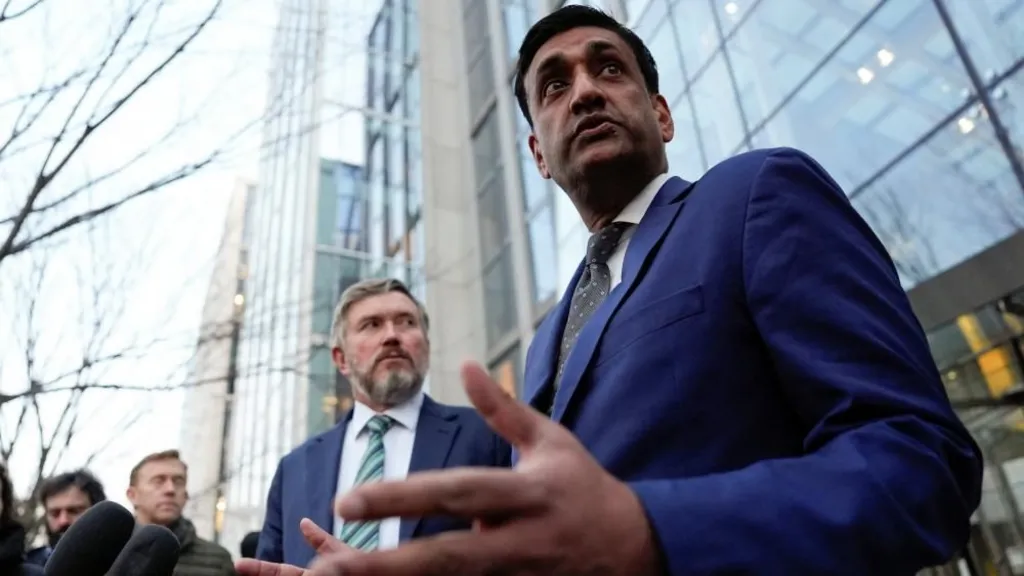
Massie reviewed the unredacted documents alongside Democratic Representative Ro Khanna as part of a congressional oversight process authorized under federal law. The review took place in a secure setting, where lawmakers were allowed limited access to sensitive materials while prohibited from removing copies.
During the review, both lawmakers reportedly encountered repeated instances where names were blacked out in public files yet clearly visible in the unredacted versions. Massie said these redactions went far beyond protecting victims or sensitive investigative techniques, which are the standard legal justifications.
Khanna echoed these concerns, stating that transparency laws were designed precisely to prevent selective secrecy. He noted that redacting names of potential associates undermines the purpose of releasing the Epstein files in the first place.
The lawmakers agreed that Congress may need to take further action if the Justice Department fails to justify or reverse the disputed redactions. Their concerns have since drawn renewed attention from both parties on Capitol Hill.
Epstein Files Transparency Act Under Scrutiny
The Epstein Files Transparency Act was passed to ensure public access to records related to the disgraced financier’s crimes and associates. Lawmakers argued that sunlight was necessary to restore faith in the justice system after Epstein’s death in federal custody.
Despite the law’s intent, critics say its execution has fallen short. Large portions of the released documents contain heavy redactions, prompting accusations that the DOJ is interpreting the law too narrowly.
Massie said the six redacted names he identified appear multiple times across different documents, strengthening the argument that their omission was intentional rather than incidental. He suggested that the DOJ’s approach may reflect institutional reluctance rather than legal necessity.
Transparency advocates argue that selective redaction risks creating a two-tier justice system, where ordinary citizens face scrutiny while influential figures remain protected from public accountability.
Potential Use of Congressional Authority
Massie has publicly floated the possibility of using congressional privilege to reveal the names if the Justice Department does not act. Under constitutional protections, lawmakers are shielded from defamation claims when speaking in official legislative contexts.
While Massie said he prefers voluntary compliance from the DOJ, he made clear that Congress has tools to force transparency when executive agencies fail to uphold the law. Such a move would likely spark intense political and legal debate.
Supporters of disclosure argue that congressional privilege exists precisely for moments like this, when the public interest outweighs institutional secrecy. Opponents warn that naming individuals without formal charges could carry serious consequences.
Massie acknowledged these concerns but maintained that accountability must come first, especially when evidence suggests that redactions may be shielding wrongdoing rather than protecting due process.
Survivors and Advocates Demand Full Disclosure
Advocates for Epstein’s victims have long argued that secrecy surrounding the case perpetuates harm. Many say redactions prevent survivors from understanding the full scope of Epstein’s network and delay broader societal reckoning.
Several advocacy groups have called on the DOJ to release all non-victim names immediately, emphasizing that transparency is essential for healing and justice. They argue that continued secrecy sends a message that power still overrides accountability.
Massie referenced these concerns, stating that survivors deserve honesty from the institutions tasked with protecting them. He added that withholding names may retraumatize victims by reinforcing the sense that influential individuals remain untouchable.
The renewed attention on the Epstein files has also sparked broader conversations about how the justice system handles cases involving wealth, influence, and political connections.
Broader Implications for Government Transparency
The controversy surrounding the Epstein files extends beyond a single case. Lawmakers say it exposes systemic weaknesses in how federal agencies interpret transparency laws.
Critics argue that without stronger enforcement mechanisms, agencies can comply with the letter of the law while undermining its spirit. The Epstein case, they say, is a high-profile example of this problem.
Massie and Khanna have both suggested potential legislative fixes, including stricter timelines for disclosure and clearer limits on redaction authority. Such reforms could affect future cases involving national interest and public trust.
As debate continues, transparency advocates warn that failure to resolve these issues could set a precedent that weakens accountability across government.
What Happens Next
The Department of Justice has not publicly committed to unredacting the disputed names, but congressional pressure continues to build. Lawmakers are expected to push for additional reviews and possibly formal hearings.
If the DOJ refuses to act, Congress may explore legislative or procedural avenues to force greater disclosure. This could include amendments to existing laws or expanded oversight powers.
Massie has stated that the coming weeks will be critical in determining whether the issue is resolved internally or escalates into a constitutional standoff between branches of government.
For now, the Epstein files remain a focal point in the ongoing struggle between secrecy and transparency, with public confidence hanging in the balance.
