

UK Considers Seizing Russia-Linked Shadow Fleet Tanker Amid Rising Tensions
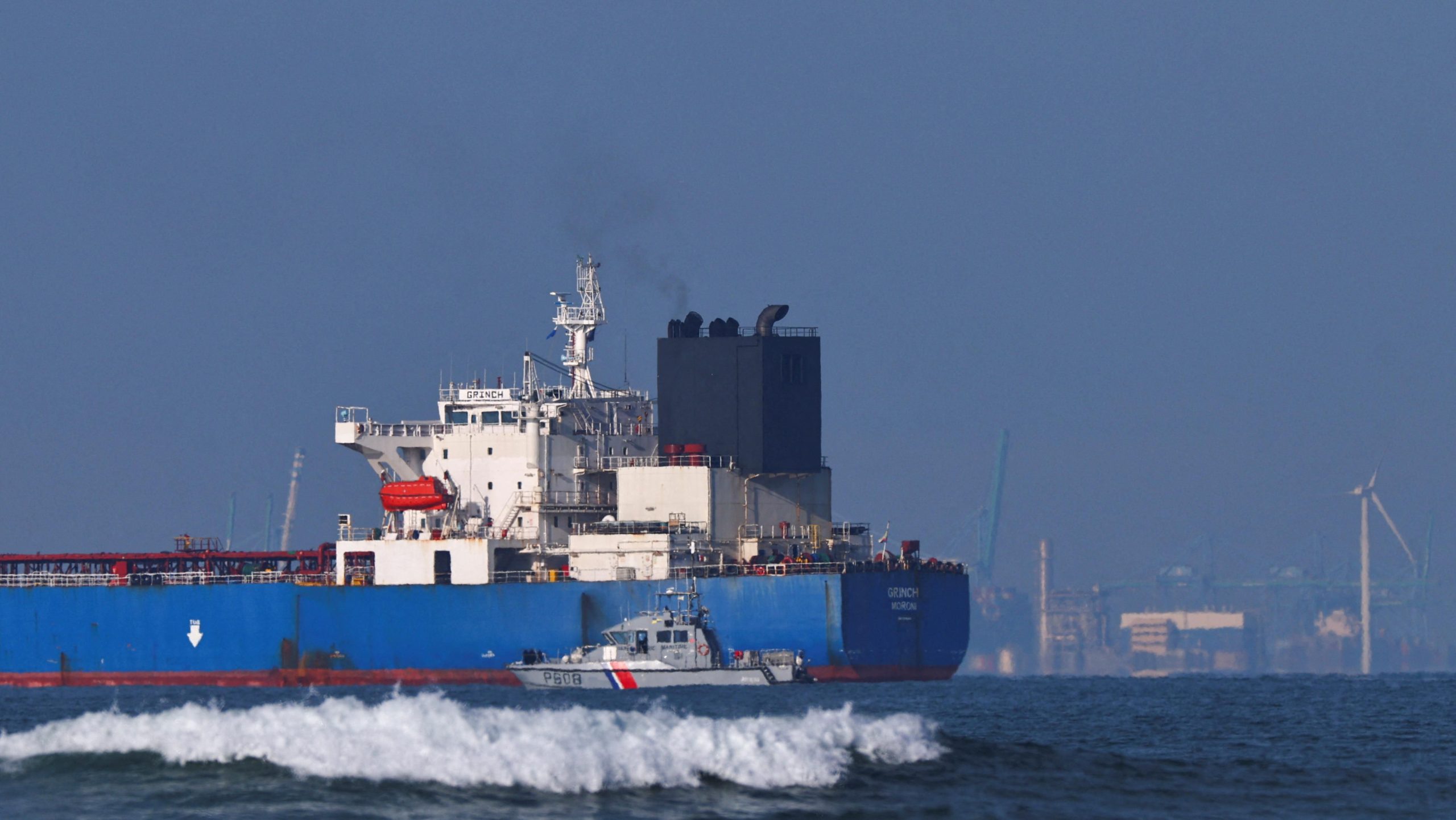
The United Kingdom is weighing a decisive move that could significantly reshape maritime enforcement linked to the war in Ukraine. British authorities have signaled that they may seize an oil tanker believed to be connected to Russia’s so-called shadow fleet, a loosely regulated network of vessels used to transport crude oil beyond the reach of international sanctions. This step would represent one of the strongest maritime actions taken by the UK since the conflict escalated and reflects growing frustration over Russia’s continued ability to generate oil revenue.
Officials familiar with the matter say the potential seizure is being evaluated under international maritime law, particularly in cases where vessels lack legitimate registration or insurance. Such tankers often operate in legal grey zones, making them vulnerable to detention if found to be violating established shipping standards. While no final decision has been confirmed, the warning alone sends a strong message that enforcement efforts are intensifying.
The move also underscores a broader shift in strategy among Western governments. Rather than relying solely on financial penalties, countries are increasingly exploring direct interventions that disrupt the physical flow of Russian oil exports. If carried out, a seizure would mark a notable escalation and could influence how other nations approach enforcement in international waters.
Understanding Russia’s Shadow Fleet and Its Global Impact
Russia’s shadow fleet consists largely of aging oil tankers operating under flags of convenience or questionable ownership structures. These ships are often routed through complex logistics chains designed to obscure their origins and destinations. By doing so, Russia has managed to keep oil exports flowing despite restrictions imposed by the UK, European Union, and allied nations.
This network has become central to sustaining Russia’s economy during wartime. Energy exports remain one of the Kremlin’s primary revenue sources, and shadow fleet operations help bypass price caps and insurance bans. Analysts argue that without these vessels, Russia would struggle to maintain current export volumes, making the fleet a high-value target for sanctions enforcement.
The environmental risks posed by these ships also add urgency to the issue. Many shadow fleet tankers are poorly maintained and operate without reliable insurance coverage. Any accident involving such a vessel could lead to severe ecological damage, particularly in busy shipping lanes or near sensitive coastlines. This concern strengthens the legal and moral arguments for stricter oversight.
Legal and Military Considerations Behind a Potential Seizure
Seizing a foreign-linked tanker is not a step taken lightly, and UK officials are reportedly examining multiple legal pathways. Under international law, vessels that cannot clearly establish nationality or compliance with safety regulations may be treated as stateless. Such ships can be boarded, inspected, and potentially detained without breaching maritime conventions.
Military planners are also assessing the operational risks involved. Boarding a tanker at sea requires careful coordination to avoid escalation or miscalculation. While Russia is unlikely to respond militarily, the diplomatic consequences could be significant, particularly if Moscow frames the move as an act of provocation.
Despite these challenges, proponents argue that firm action is necessary to preserve the credibility of sanctions. Allowing shadow fleet vessels to operate freely undermines years of coordinated economic pressure. From this perspective, enforcement at sea becomes not just an option, but a strategic necessity.
Growing Western Coordination Against Sanctions Evasion
The UK’s stance aligns with a wider effort among Western allies to close loopholes in the sanctions regime. Governments are increasingly sharing intelligence on vessel movements, ownership structures, and insurance arrangements. This cooperation has improved the ability to identify ships that may be operating outside legal norms.
In parallel, regulatory pressure on maritime service providers has intensified. Ports, insurers, and shipping agencies face penalties if they assist tankers linked to sanctioned oil trades. These measures are designed to make shadow fleet operations more costly and less reliable over time.
As enforcement tightens, some vessels have been forced to operate longer routes or rely on limited port access, increasing operational risks. The potential seizure of a tanker by the UK would amplify this pressure, signaling that sanctions violations now carry real, tangible consequences.
Economic Ramifications for Russia’s War Financing
Oil revenues continue to play a critical role in funding Russia’s military operations. Although global price fluctuations and sanctions have reduced profits, exports remain substantial. Any disruption to the shadow fleet directly threatens this income stream and could strain the Kremlin’s budget over time.
Economic experts suggest that even a single high-profile seizure could have a deterrent effect. Shipowners and intermediaries may reconsider involvement in opaque trades if the risk of losing a vessel increases. This could gradually shrink the pool of available tankers willing to participate in sanctions evasion.
For Ukraine and its allies, weakening Russia’s export capacity is viewed as a non-military way to apply sustained pressure. While such measures may not produce immediate results, they contribute to a longer-term strategy aimed at limiting Moscow’s ability to prolong the conflict.
Diplomatic Risks and Strategic Messaging
Any direct action against a Russia-linked tanker carries diplomatic implications. The UK must balance enforcement with the risk of retaliation, whether economic or political. Moscow has previously accused Western nations of overstepping international law, and a seizure could prompt renewed rhetoric or countermeasures.
However, supporters of the move argue that clarity is essential. By clearly stating the legal basis for action, the UK can reinforce international norms while demonstrating resolve. Strategic messaging will be critical to ensure that the action is viewed as lawful enforcement rather than escalation.
The broader international community will be watching closely. If the UK proceeds without major fallout, other nations may feel emboldened to take similar steps. This could gradually normalize tougher maritime enforcement against sanctions-busting activities.
What Comes Next for Global Maritime Enforcement
The threat of seizure represents a turning point in how sanctions are applied at sea. Rather than relying exclusively on paperwork and financial restrictions, governments are increasingly willing to act directly against vessels that violate rules. This evolution reflects the adaptive nature of sanctions enforcement in a complex global economy.
Future measures may include expanded inspections, stricter documentation requirements, and closer monitoring of ship-to-ship transfers. Together, these tools could significantly limit the effectiveness of shadow fleets worldwide, not just those linked to Russia.
As the UK continues to assess its options, the outcome will likely shape enforcement norms for years to come. Whether or not a tanker is ultimately seized, the warning alone signals a more assertive phase in the effort to uphold sanctions and protect the integrity of global maritime trade.
